



Fiber: Essential, Underestimated and Misunderstood
Fiber is a key component in many dietary recommendations – and for good reason. It is a natural part of plant-based foods, is not digested by the human digestive system, and yet plays an important role.
Despite this, social media continues to spread misleading claims – for example, that fiber could disrupt ketosis.
In this article, we take a calm, balanced, and well-founded look at the facts.
What exactly is fiber?
Fiber refers to the indigestible components of plant-based foods. It passes through the small intestine largely unchanged and reaches the colon, where it is partially fermented by gut bacteria. This process creates short-chain fatty acids (e.g., butyrate), which play a role in the microbiome and energy metabolism in the gut.
We distinguish between:
- Soluble fiber (e.g., inulin, oat fiber, acacia fiber, pectin – found in apples, citrus fruits, and berries)
- Insoluble fiber (e.g., wheat flour, wheat bran, cellulose)
Both types serve different functions within the digestive tract.
Let’s be clear: Does fiber disrupt ketosis?
This question is being hotly debated on social media – unfortunately, without scientific foundation. Here’s a clear, evidence-based explanation:
Fiber – especially non-digestible types such as inulin, oat fiber, or acacia fiber – is not converted into glucose by the body. It does not impact blood sugar and does not interrupt ketosis.
On the contrary: some fibers actually promote the production of short-chain fatty acids like butyrate in the colon – which may even support ketogenic diets.
Of course:
- ✔️ Isolated carbohydrates (e.g., sugar, refined flours) can interfere with ketosis
- ✔️ Fiber is not considered a metabolizable carbohydrate
Why is there confusion?
On nutrition labels, fiber is often grouped under “carbohydrates” or listed alongside them – which can easily cause confusion among consumers.
In fact, fiber differs fundamentally from digestible carbohydrates in terms of metabolism and physiological function.
In the U.S., so-called “0g net carbs” products are especially common. These products list only the “net carbs” – meaning the digestible carbohydrates. Fiber is subtracted from the total carb count because it does not contribute to glucose formation.
Likewise in Europe, many “low carb” or “keto-friendly” products include the note: “Do not count fiber as digestible carbohydrates.”
These claims aren’t entirely wrong – but they do highlight why it’s important to differentiate fiber from sugar.
Why is fiber valuable?
Fiber plays multiple roles in the human digestive system. It contributes to:
- natural digestive function
- prolonged gastric emptying time
- structure and texture in food
- providing fermentable substrate for the microbiome
These are not health promises, but well-established characteristics of plant-based fibers.
Fiber at UNE FOODS
Our baking mixes naturally contain a high amount of fiber – sourced from ingredients such as oat fiber, inulin, acacia fiber, and wheat fiber. These fiber sources support a conscious lifestyle without added sugars or sugar alcohols.
We believe in natural ingredients – without myths, but with clear knowledge of their functional value.
Conclusion: Fiber is not the enemy of ketosis
The claim that fiber interrupts ketosis is nutritionally incorrect. The term “carbohydrates” is often used too broadly.
Anyone familiar with nutritional biochemistry knows: Fiber is not the same as digestible carbohydrates – and does not disrupt ketosis.
This article is for informational purposes only and does not replace medical advice.
🌾 Explore our high-fiber baking mixes:
Discover functional fiber – no added sugar, no sugar alcohols. Just nutrients that matter. 💪
Das könnte dich auch interessieren

What are Sweeteners & Sugar Alcohols?
What are Sweeteners and Sugar Alcohols? Sweeteners and sugar alcohols are often seen as…

5 a Day: What’s Behind the Fruit & Vegetable Recommendation?
The “5 a day” recommendation is familiar to many, but only few know where it comes from,…
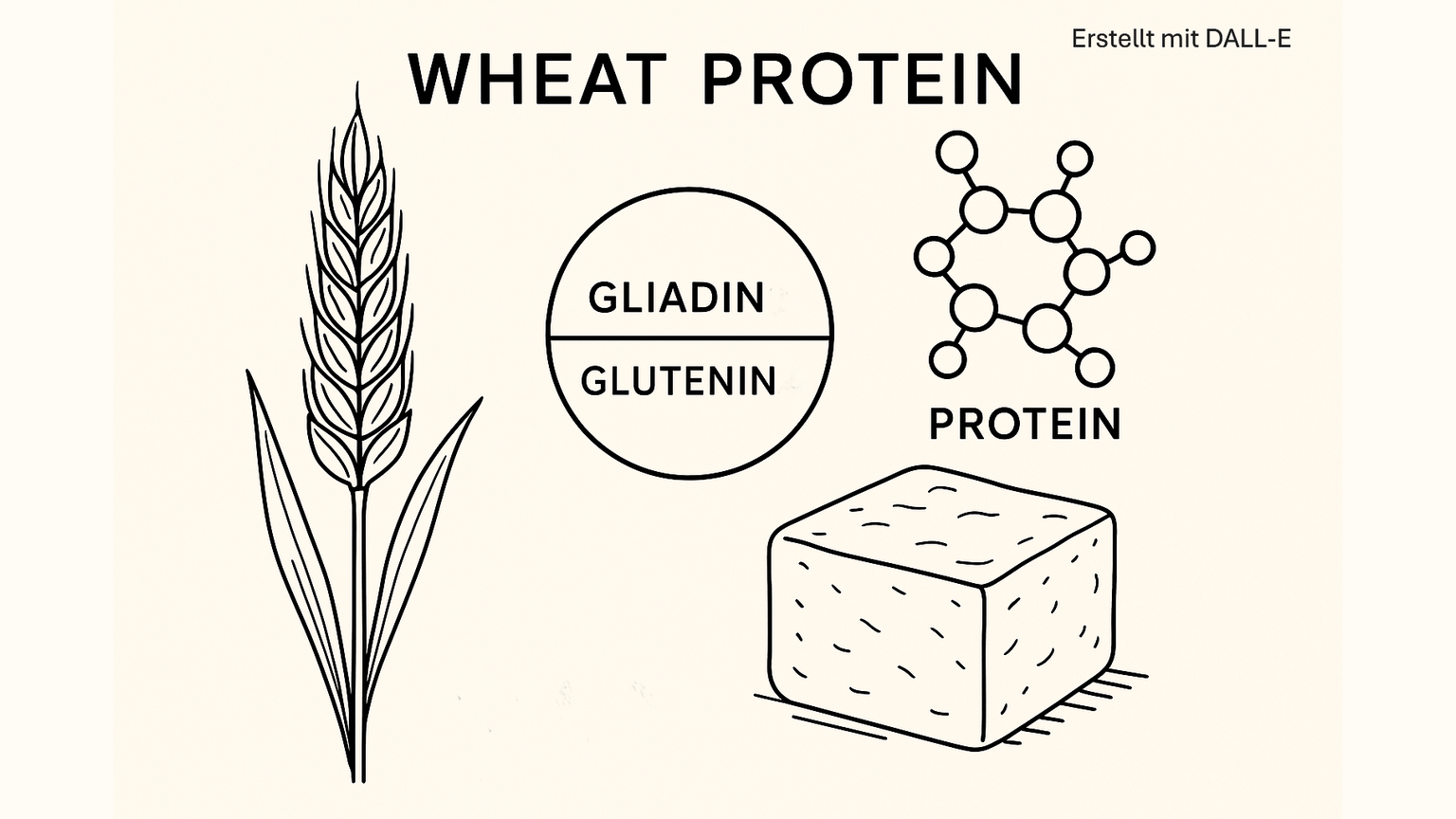
Wheat and Wheat Protein: Facts, Misconceptions and Real Insights
Wheat – An Ancient Grain with History Wheat protein is more than just gluten – it’s a…