'/%3E%3C/svg%3E)

'/%3E%3Cpath%20fill='%23b2b2b2'%20d='M241%20382q0%2016%2017%2026%2017%2011%2042%2011t42-11q16-11%2017-26V269H241'/%3E%3Cpath%20fill='%239f7e00'%20d='M241%20379q0%2014%208%2023%209%209%2021%209%2014%200%2021-9%209-9%209-23V269h-59'/%3E%3Cpath%20d='M241%20339v-70h59v110q0%2014-9%2023l-6%205v-68h-15v72q-8%200-14-4v-68zm59%2040c0%2022%2015%2032%2029%2032%2021%200%2030-18%2030-32v-40h-59'/%3E%3Cpath%20fill='%239f7e00'%20d='M266%20277v5h2v12h-3v-5h2v-5h-9v5h2v5h-4v9h3v18h-5v10h34v-10h-5v-18h3v-9h-4v-5h2v-5h-9v5h2v5h-3v-12h2v-5zm42%20101q0%2010%206%2017%206%206%2015%207%2010-1%2016-7%206-7%206-17v-29h-43'/%3E%3Ccircle%20fill='%230044ad'%20cx='329.5'%20cy='372'%20r='6'/%3E%3Cellipse%20fill='%230044ad'%20cx='300'%20cy='340'%20rx='16'%20ry='21'/%3E%3C/svg%3E)
'/%3E%3C/g%3E%3Cuse%20href='%23c'%20transform='matrix(-1%200%200%201%20720%200)'/%3E%3C/svg%3E)
Hormones, Diet and Lifestyle: Current Perspectives from Research
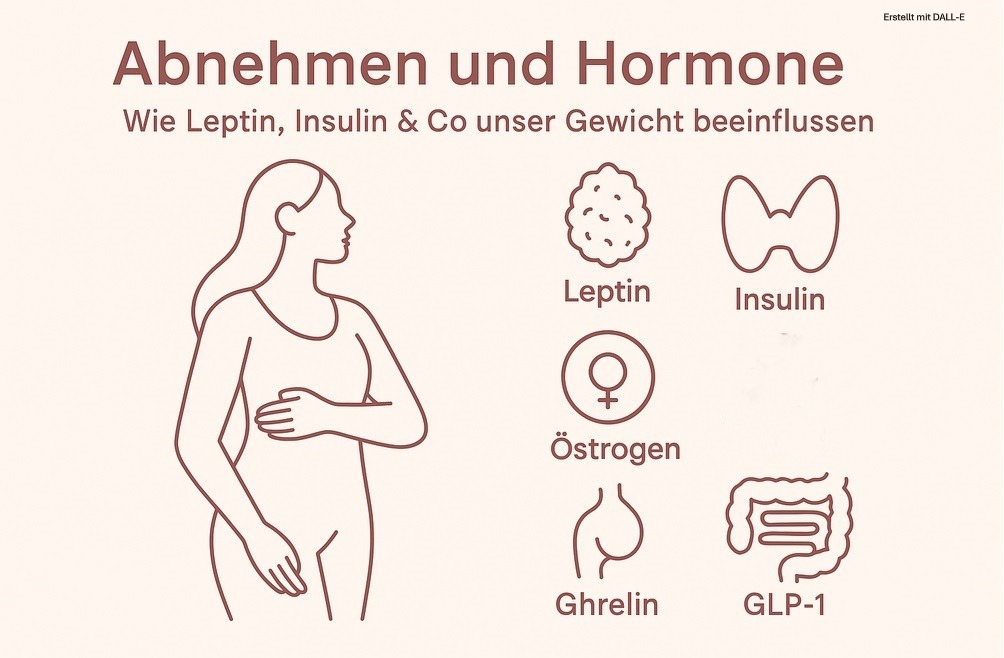
Weight Loss and Hormones: How Leptin, Insulin & Co. Relate to Diet and Lifestyle
Why am I not losing weight – even though I eat a balanced diet?
Many people ask themselves this question. Because sometimes it seems as if the body reacts differently than expected – despite a conscious diet, exercise and changes in everyday life. In scientific discussions, hormonal processes, among other things, play an important role here.
Hormones influence numerous processes in the body, including hunger and satiety, energy balance, sleep and stress responses. They are among the body’s complex regulatory systems and are closely linked to diet and lifestyle.
The following article looks at some hormones that are frequently discussed in connection with body weight and metabolism.
Hormones and body weight
- Insulin – regulating blood sugar
Insulin is produced in the pancreas and is involved in regulating blood sugar.
Scientific studies continue to investigate associations between long-term dietary patterns, including sugar intake and highly processed foods, and various metabolic processes.
Frequently discussed in everyday life are:
- less highly processed foods
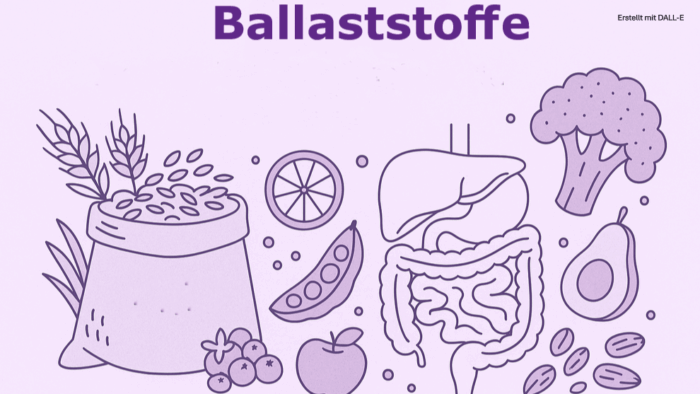
- a fiber-rich diet
- regular exercise
- balanced meals
- Leptin – the satiety signal
Leptin is formed in fatty tissue and is associated with the feeling of satiety.
For years, researchers have been investigating how sleep, exercise and diet relate to hormonal satiety mechanisms.
Frequently mentioned factors are:
- sufficient sleep
- regular exercise
- a balanced diet
- structured meals
- Ghrelin – the hunger hormone
Ghrelin is formed mainly in the stomach and typically rises before meals.
Lack of sleep and stress are also frequently discussed in connection with appetite regulation.
Many dietary approaches therefore focus on:
- protein-rich meals
- fiber-rich foods
- regular mealtimes
- sufficient sleep
- Cortisol – the stress hormone
Cortisol is part of the body’s natural stress response. Short-term stress is one of the normal biological processes.
Chronic stress, on the other hand, is discussed in numerous fields of research in connection with various physical and mental strains.
Frequently mentioned here are:
- sleep
- exercise
- conscious breaks
- relaxation techniques
- general life balance
- Thyroid hormones (T3 & T4)
The thyroid is involved in numerous metabolic processes.
In the event of health complaints or suspected hormonal changes, medical professionals should always be consulted.
In a nutritional context, nutrients such as:
- iodine
- selenium
- iron
- zinc
are frequently discussed.
- Oestrogen and hormonal changes
Oestrogen is associated not only with the menstrual cycle, but also with various metabolic and bodily processes.
Particularly during phases of hormonal change – for example during the menopause – many research studies look at the interplay between diet, lifestyle and hormonal processes.
- GLP-1 – a natural satiety signal
GLP-1 is a signalling protein produced by the body that is studied in connection with satiety mechanisms.
GLP-1 became particularly well known through modern weight-loss medications. At the same time, fields of research are also looking at natural factors such as:
- a fiber-rich diet
- protein-rich meals
- digestive processes
- and general eating habits.
Diet and lifestyle in everyday life
Hormones are part of complex biological processes and cannot be viewed in isolation. Many scientific studies therefore look at the interplay between:
- diet
- sleep
- exercise
- stress management
- and general lifestyle habits.
It is important to note:
Every body reacts individually.
Practical approaches for everyday life
In connection with conscious eating, the following are frequently discussed:
- fiber-rich foods
- protein-rich meals
- regular sleep
- exercise in everyday life
- conscious breaks and recovery
- as few highly processed foods as possible
The UNE FOODS approach
UNE FOODS develops protein- and fiber-rich formulations with Clean-Label-oriented ingredients and everyday practicality.
These include, among others:
- Protein-Fiber bread baking mixes
- Lower-Carb Protein-Fiber pizza dough
- as well as the 3-in-1 collagen product with fiber and selected micronutrients.
Our focus is on:
- transparent formulations
- selected ingredients
- protein- and fiber-rich concepts
- as well as modern nutrition that can be easily integrated into everyday life.
Legal notice: This article is for information purposes only and does not replace medical advice. In the event of health complaints, a doctor or nutritional medicine professional should be consulted.
You may also like
Dietary Fiber and Ketosis: A Sober Look at a Common Myth
Dietary fiber is a firm component of many nutritional recommendations – and for good…

The Debate Around Sweeteners and Sugar Alcohols (Part 2)
The Debate Around Sweeteners and Sugar Alcohols (Part 2) Sweeteners and sugar alcohols…
What are Sweeteners & Sugar Alcohols?
What are Sweeteners and Sugar Alcohols? Sweeteners and sugar alcohols are often seen as…