

Why Collagen + Inulin & Cocoa Fibres Are a Well-Thought-Out Combination
Collagen with fibre is a rare combination on the German market – most brands sell collagen on its own as a powder, and fibre separately as a supplement. At UNE FOODS we take a different approach and combine both in a single product. Why a formulation of collagen with fibre such as inulin and cocoa fibres makes nutritional sense, and what the EU food regulations permit – you will find out in this article.
What collagen hydrolysate actually is
Collagen is the most abundant structural protein in the human body. It is found in skin, bones, tendons, ligaments and connective tissue. Collagen hydrolysate is a special form in which the collagen is broken down into smaller protein building blocks (peptides) – making it easier to dissolve in liquids and to process into foods.
From a nutritional perspective, collagen hydrolysate is a high-quality protein: it provides the amino acids glycine, proline and hydroxyproline in a concentration that is rarely found in plant proteins.
Authorised claim under EU Regulation 432/2012: „Protein contributes to a growth in muscle mass.“ „Protein contributes to the maintenance of normal bones.“
What inulin is
Inulin is a soluble fibre that occurs naturally in chicory root, Jerusalem artichoke and onions. Chemically, it is a long-chain fructan compound. Inulin provides only a small proportion of usable calories, as it remains largely unchanged in the human small intestine.
Inulin belongs to the group of soluble fibres. As with all types of fibre, the authorised EU claim applies:
Authorised claim under EU Regulation 432/2012: „Fibre contributes to normal bowel function.“ (applies with a corresponding minimum amount of fibre)
What cocoa fibres are
Cocoa fibres are produced as a by-product of chocolate manufacturing. When chocolate is made from cocoa beans, the fibre-rich cocoa shell remains – a material that was traditionally used as animal feed or disposed of.
At UNE FOODS we use ground cocoa shells as an upcycling ingredient: they provide a very high fibre content (over 70 g of fibre per 100 g) and a subtle cocoa flavour – without any need to add sugar or flavourings.
How much protein and how much fibre adults need each day
The German Nutrition Society (DGE) recommends that adults consume 0.8 g of protein per kilogram of body weight per day – for a person weighing 70 kg, that is around 56 g of protein a day. For physically active people or older adults, a higher requirement is sometimes discussed.
For fibre, the official DGE recommendation is at least 30 g per day. In fact, according to the second National Nutrition Survey (Nationale Verzehrsstudie II), around two thirds of the adult population in Germany do not reach this amount – men average 25 g and women 23 g per day.
This is where our formulation comes in: A 30 g serving provides 12 g of fibre and thus covers 43 % of the daily fibre intake recommended by the DGE – combined with 13,000 mg of clinically tested type I and III collagen, from bovine sources.
Why collagen with fibre makes nutritional sense
In food development, we speak of a complete nutrient matrix: a food that provides not just a single ingredient, but several at once. While classic protein powders often contain only protein and are at the same time very low in fibre, a combination of collagen hydrolysate, inulin and cocoa fibre results in a broader nutritional profile:
- Protein: contributing to the maintenance of normal bones and to a growth in muscle mass (authorised claim)
- Fibre: as a contribution to normal bowel function (authorised claim, with a corresponding daily amount)
- Low in carbohydrates, no added sugar: for people who want to manage their diet in a carbohydrate-conscious way
This combination is rare on the market – most brands separate protein and fibre into different products.
How UNE FOODS puts this into practice
In our powder we combine collagen with fibre and carefully selected micronutrients in a single product. Specifically, the formulation contains:
- Hydrolysed premium collagen – as a high-quality protein source
- Inulin from chicory – as a soluble fibre
- Cocoa fibres – as an upcycled fibre source and flavour provider
- Micronutrients – carefully put together, including:
- Vitamin C (contributes to the normal function of the immune system – authorised claim)
- Hyaluronic acid
- MSM (methylsulfonylmethane)
- Niacin (vitamin B3) (contributes to the reduction of tiredness and fatigue – authorised claim)
- Folic acid (vitamin B9) (contributes to normal blood formation – authorised claim)
- Zinc (contributes to the maintenance of normal skin, hair and nails – authorised claim)
- B-vitamin complex (contributes to normal energy-yielding metabolism – authorised claim)
No added sugar, no sugar alcohols, no flavourings, no sweeteners.
The product is blended in Germany, produced in accordance with FSSC 22000 and GMP, and tested by state-certified food chemists. Halal and kosher certified.
Who this may be of interest to
This formulation is aimed at anyone who wants to pay attention in their daily diet to both an adequate protein intake and a good fibre content – both areas in which, according to the DGE’s D-A-CH reference values, many people in Germany fall below the recommendations.
Specifically, this may be relevant if you:
- do a lot of sport and value an adequate protein intake
- want to manage your diet in a carbohydrate-conscious way
- are looking for products without added sugar and without sweeteners
- value Clean Label and clear, transparent ingredient lists
How collagen with fibre differs from classic collagen powders
Most collagen powders on the market have a very simple make-up: they provide collagen, often combined with vitamin C – and that is it. This covers a single building block, but no more than that.
When developing our powder, we deliberately took a different route and expanded the formulation with two areas that are particularly often neglected in everyday German nutrition: fibre and selected micronutrients. According to the second National Nutrition Survey, around two thirds of adults in Germany do not reach the recommended 30 g of fibre per day – and for vitamins such as folic acid or zinc, actual intake in many age groups is below the DGE reference values.
This is exactly where we come in: instead of providing only collagen and vitamin C, we have integrated inulin and cocoa fibres as fibre sources and added niacin, folic acid, zinc, B vitamins, hyaluronic acid and MSM to the formulation. This creates a product with a considerably broader nutritional profile – without you having to mix up two or three separate powders.
The result: a single scoop in the morning, a well-thought-out ratio of protein, fibre and selected vitamins – and a contribution to two nutrient groups that are often neglected in everyday life.
Conclusion
Collagen with fibre such as inulin and cocoa fibres is not a random mixture, but a well-thought-out combination of a high-quality protein source, two different types of fibre, and vitamins and minerals used in a targeted way. Instead of buying several products that each provide only one building block, we combine them in one. From ingredients you know, tested by state-certified food chemists, blended in Unna.
→ Go to the product here: Collagen + Fibre + Micronutrients Chocolate 630 g
⚖️ Legal notice: This article is for information purposes only and does not replace medical or nutritional consultation. In the event of health complaints, existing conditions, during pregnancy or breastfeeding, medical professionals should be consulted before making any dietary changes. The health claims mentioned relate to the respective ingredients in accordance with EU Regulation 1924/2006 in conjunction with Regulation 432/2012 and apply under the conditions of use stated therein. A balanced and varied diet and a healthy lifestyle are the basis for general well-being.
You may also like
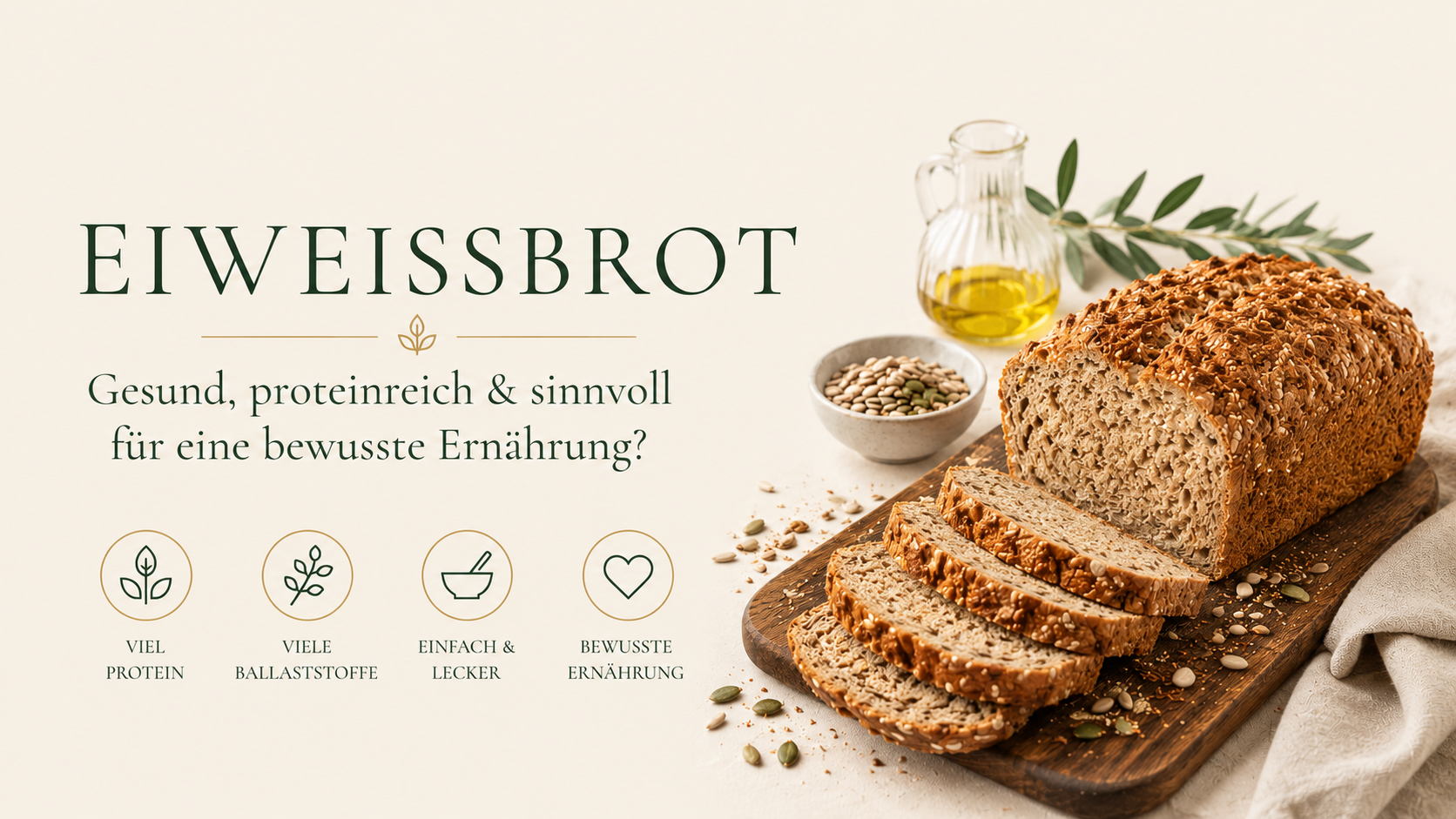
Protein Bread: What Is It – and What Should You Look Out For?
In this guide you will learn what protein bread is, how it differs from classic bread,…
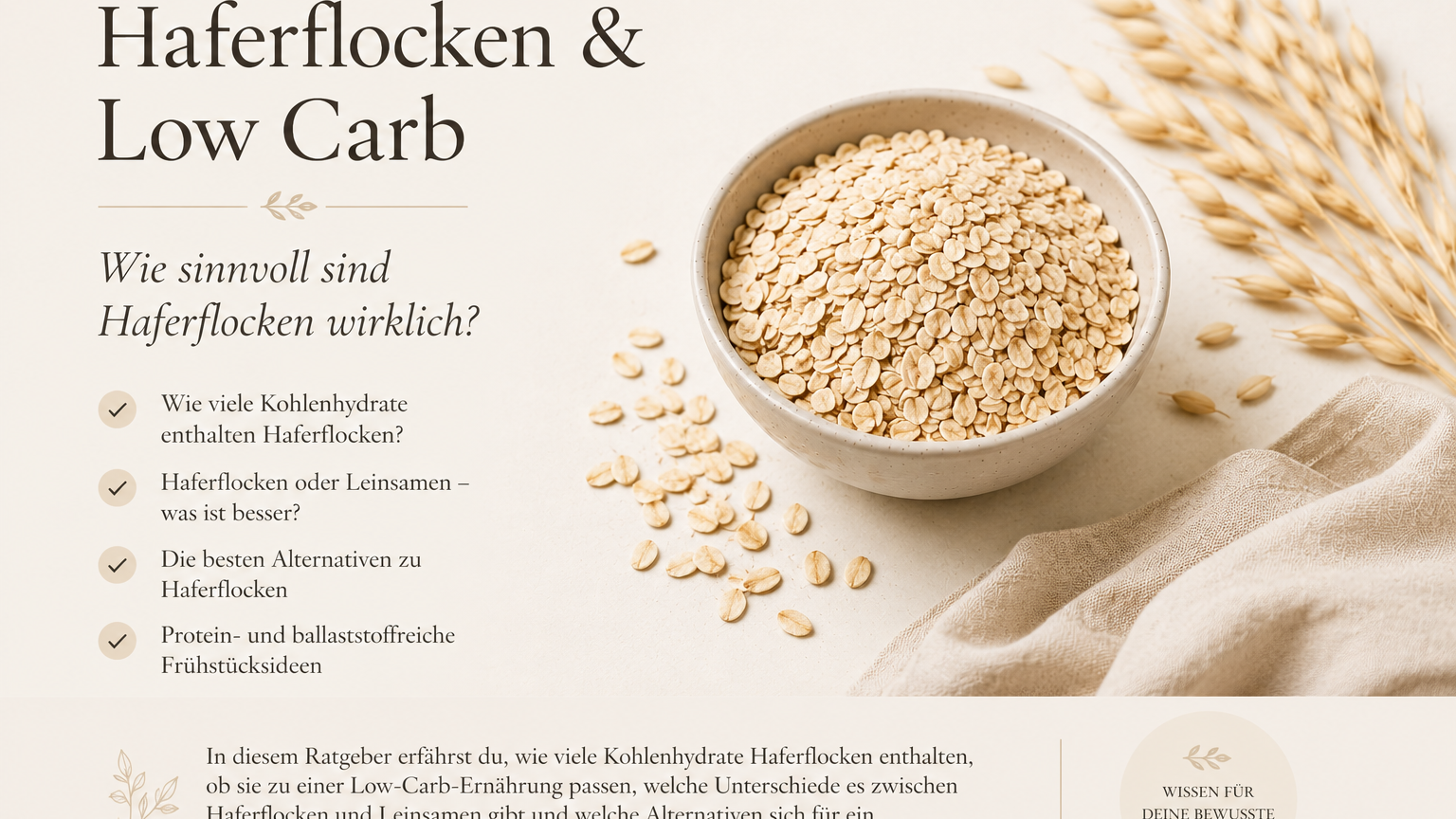
Oats and Low Carb: How Useful Are Oats Really?
In this guide, you will learn how many carbohydrates oats contain, whether they fit into…
Fibermaxxing: Why Dietary Fibre Is Trending Right Now – and How UNE Foods Makes It Easy for Everyday Life
More fibre in everyday life – without complicated routines, without extra products and…