

Longevity & Cellular Health: Why Mitochondria Hold the Key to Energy and Healthy Aging
Cellular Health and Longevity – How Mitochondria Shape Healthy Aging
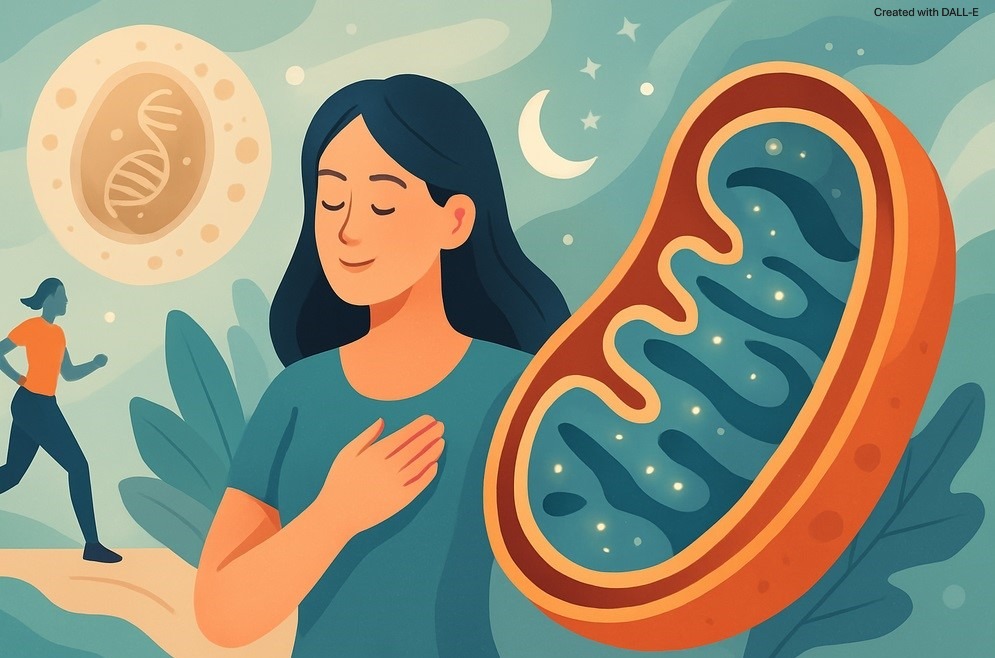
Cellular health and longevity go hand in hand. At the core of this connection lie mitochondria – tiny energy producers inside our cells. They determine how well we age, heal, and perform.
When people think about longevity, they often think of genetics, glowing skin, or balanced nutrition. But one essential factor is frequently underestimated: cellular energy. More precisely: mitochondria. These tiny powerhouses within our cells determine how much energy our body has available, how well our cells regenerate – and how fast or slow we biologically age.
What Exactly Are Mitochondria?
Mitochondria are specialized organelles that convert nutrients into energy in the form of ATP. ATP is the universal fuel that powers everything from muscle function to hormone production and even DNA repair. Organs with high energy demands – like the brain, heart, and muscles – depend on well-functioning mitochondria.
Why Do Mitochondria Age?
As we get older or experience oxidative stress, mitochondria can become damaged. More free radicals are produced, which attack cell structures. At the same time, the efficiency of energy production declines – creating a vicious cycle. Symptoms can include fatigue, difficulty concentrating, and premature skin aging.
So it’s clear: longevity starts at the cellular level. And those who take care of their mitochondria increase their chances of living an active, clear-minded, and healthy life.
How Can Mitochondria Be Supported?
- NAD+ & NMN: NAD+ is a key molecule for energy production. As we age, NAD+ levels decline, impairing cellular function. NMN (Nicotinamide Mononucleotide) is considered a promising natural precursor to boost NAD+ levels.
- Antioxidants: Vitamin C, zinc, and polyphenols help neutralize free radicals before they damage mitochondria.
- Exercise & Intermittent Fasting: Regular physical activity and periods of fasting activate a process called autophagy – the body’s way of recycling damaged cellular components.
- Fiber & Gut Health: A healthy gut microbiome influences mitochondrial function, including the production of short-chain fatty acids and GLP-1.
- Sleep & Stress Management: Deep, restorative sleep and mindful relaxation support mitochondrial repair and regeneration.
UNE Foods’ Contribution
With its 3-in-1 collagen powder and high-fiber baking mixes, UNE Foods offers targeted support for those who want to strengthen their mitochondria, skin, and metabolism. The thoughtful combination of clean protein, dietary fiber, hyaluronic acid, MSM, and key micronutrients like vitamin C, B vitamins, and zinc fits perfectly into a longevity-focused lifestyle.
Disclaimer: This article is intended for informational purposes only and does not constitute medical or therapeutic advice. For health-related questions, please consult a qualified healthcare professional.
You may also like
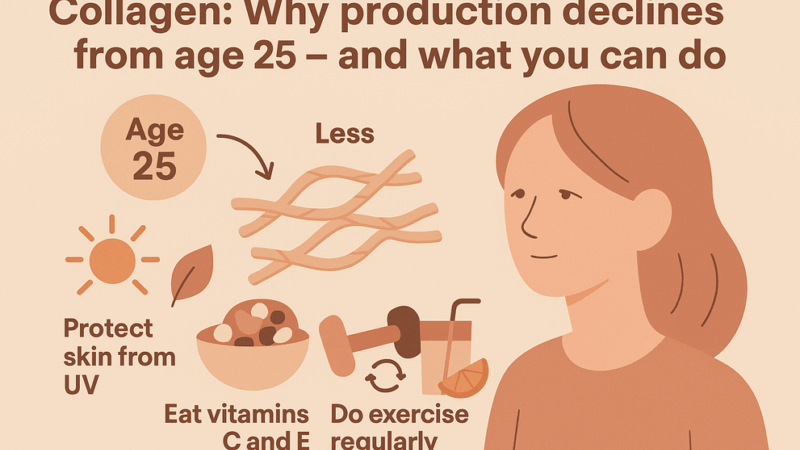
Collagen: Why Production Declines After Age 25 – and What You Can Do
What Is Collagen – and Why Is It So Important? Collagen is the most abundant structural…
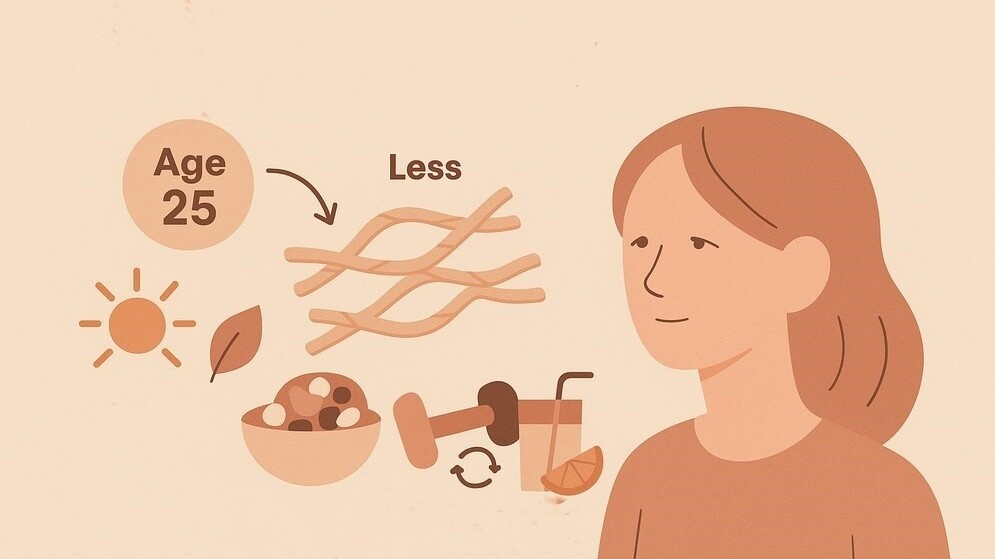
Collagen: Why the Body’s Own Production Is Discussed in Relation to Age
What is collagen – and why is it talked about so much? Collagen is a structural protein…

What Happens to Your Body When You Cut Out Sugar?
Cutting out sugar from your daily diet can have noticeable effects on your body. In this…