



The silent revolution of the ovaries and how new research reshapes our understanding of menopause, fertility and female ageing
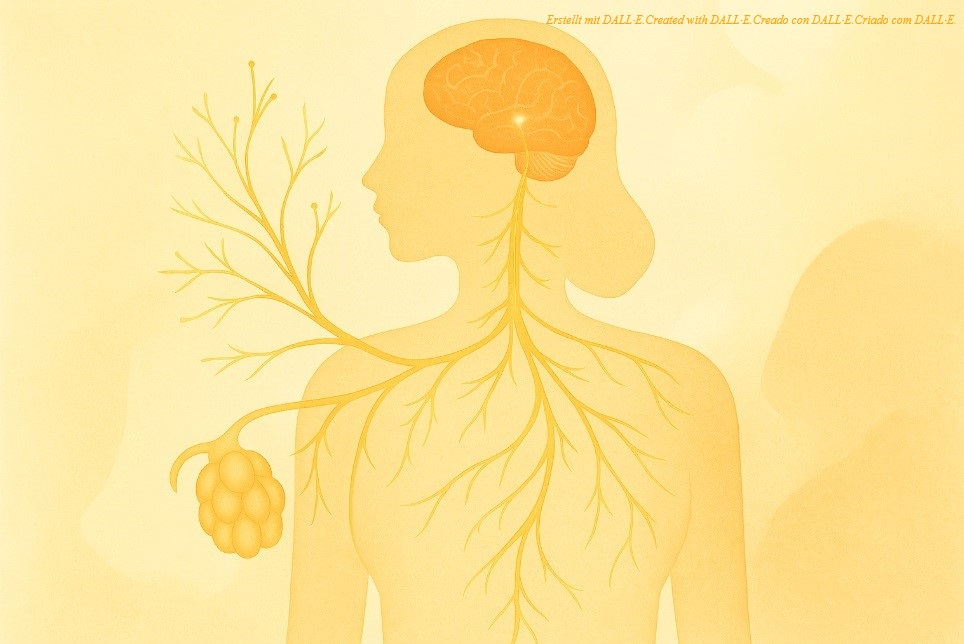
Ovaries play a central role in the interaction between hormones and the nervous system.
For a long time, the ovaries were seen as quiet storage organs whose reserves simply decrease over the years. New findings from the United States are now challenging this view and opening a chapter that is receiving considerable attention in women’s health research.
Scientists at the University of California, San Francisco have shown that the ovaries do far more than provide oocytes. They function as active sensory organs that communicate with the brain, respond to stress and remain closely linked to the nervous system. These insights may help explain why menopause, fertility and female ageing unfold so individually.
A more sensitive organ than expected
Through a newly developed 3D imaging method, researchers visualised the complete structure of the ovary for the first time. A dense network of nerve fibres, blood vessels and hormonally active cells became visible. This unexpected finding is drawing considerable scientific interest.
The ovaries appear far more deeply integrated into the nervous system than previously thought and are connected to the nerves that regulate the stress response. Observations suggest that this network may even become denser with age. This offers a new perspective: ovaries are not passive recipients of hormones, but active participants in neuroendocrine communication. Few people know that the ovaries are among the most highly perfused organs in the entire body, surpassing many tissues traditionally considered more active.
Menopause reconsidered
When communication between the brain, nerves and ovaries shifts, it influences many bodily processes. Menopause is therefore not simply the natural end of ovulation, but a complex transition. Factors such as life experience, sleep, nutrition, emotional load and stress processing interact with the nervous system during this phase, which may explain the wide variation in symptoms.
The influence of stress
Chronic stress activates the sympathetic nervous system, which was originally designed for rapid reactions. When it becomes chronically active, it may also influence ovarian activity. Early experimental observations suggest a possible connection between stress and the regulation of oocyte maturation. This does not imply that menopause can be prevented, but it may indicate that lifestyle factors can influence the pace of this transition.
A new understanding of female biology
The discovery of the ovarian nervous network is shifting how female health is conceptualised. Hormones do not operate in isolation. The interaction between the brain, nerves, immune system and metabolism appears to be decisive. Many women intuitively sense these connections. Energy, skin appearance, mood, cycle and overall wellbeing often move together. The emerging research provides plausible biological explanations.
Another notable insight is that the ovaries belong to the most highly perfused organs in the body, making them particularly sensitive to metabolic and neurological change. There are also indications that communication between brain and ovary is bidirectional. This means that the brain not only receives signals from hormonal activity, but also sends signals back.
The ovaries are therefore not quiet bystanders. They act as active sensors and mediators that respond to experiences and internal states. As science uncovers this complexity, a more integrated and respectful understanding of female biology emerges. Together, these findings invite a more nuanced view of female physiology, highlighting the remarkable adaptability of the ovaries across the lifespan.
Legal notice
This article is for informational purposes only and does not constitute medical or therapeutic advice. For health concerns, please consult qualified professionals.
You may also like

Why Collagen + Inulin & Cocoa Fibers Are a Well-Thought-Out Combination
Collagen with Fiber is a rare combination on the German market – most brands sell…

Protein Bread: What Is It – and What Should You Look Out For?
In this guide you will learn what protein bread is, how it differs from classic bread,…
Oats and Low Carb: How Useful Are Oats Really?
In this guide, you will learn how many carbohydrates oats contain, whether they fit into…