'/%3E%3C/svg%3E)

'/%3E%3Cpath%20fill='%23b2b2b2'%20d='M241%20382q0%2016%2017%2026%2017%2011%2042%2011t42-11q16-11%2017-26V269H241'/%3E%3Cpath%20fill='%239f7e00'%20d='M241%20379q0%2014%208%2023%209%209%2021%209%2014%200%2021-9%209-9%209-23V269h-59'/%3E%3Cpath%20d='M241%20339v-70h59v110q0%2014-9%2023l-6%205v-68h-15v72q-8%200-14-4v-68zm59%2040c0%2022%2015%2032%2029%2032%2021%200%2030-18%2030-32v-40h-59'/%3E%3Cpath%20fill='%239f7e00'%20d='M266%20277v5h2v12h-3v-5h2v-5h-9v5h2v5h-4v9h3v18h-5v10h34v-10h-5v-18h3v-9h-4v-5h2v-5h-9v5h2v5h-3v-12h2v-5zm42%20101q0%2010%206%2017%206%206%2015%207%2010-1%2016-7%206-7%206-17v-29h-43'/%3E%3Ccircle%20fill='%230044ad'%20cx='329.5'%20cy='372'%20r='6'/%3E%3Cellipse%20fill='%230044ad'%20cx='300'%20cy='340'%20rx='16'%20ry='21'/%3E%3C/svg%3E)
'/%3E%3C/g%3E%3Cuse%20href='%23c'%20transform='matrix(-1%200%200%201%20720%200)'/%3E%3C/svg%3E)
Wheat and Wheat Protein: Facts, Misconceptions and Real Insights
Wheat and wheat protein: facts, misconceptions and insights
Wheat – a grain with a long history
Wheat is one of the oldest cultivated grains in the world. Whether bread, pasta or baked goods – hardly any raw material is as widespread in everyday life. At the same time, wheat has been at the centre of many discussions about gluten and nutrition for years.
What actually is wheat?
Botanically, wheat belongs to the sweet grasses. The best-known species include:
- common wheat (Triticum aestivum)
- durum wheat (Triticum durum)
Among other things, wheat contains:
- starch
- dietary fiber
- proteins
- and, depending on processing, varying amounts of vitamins and minerals.
What is wheat protein?
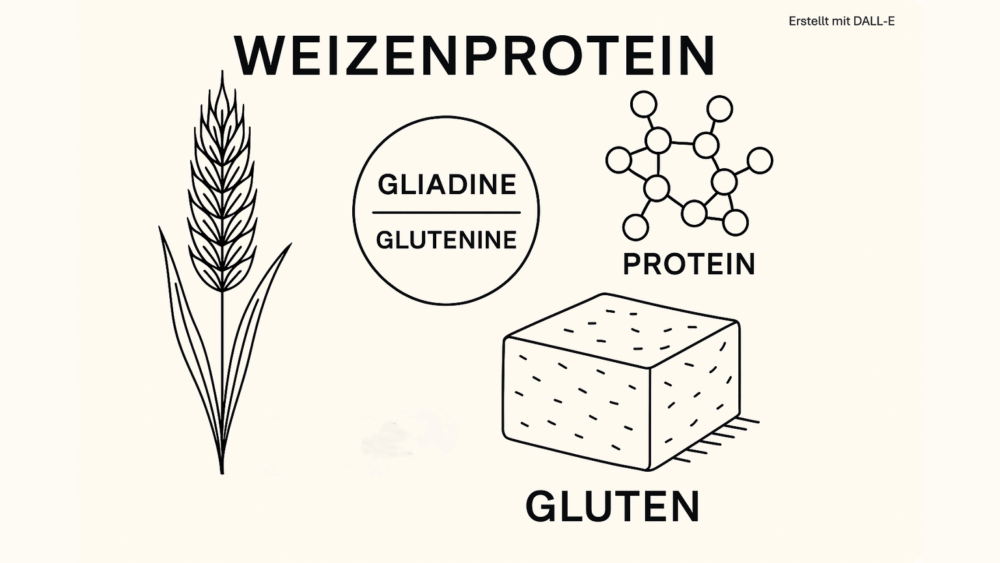
Wheat protein comprises various protein components of the wheat grain – including gluten proteins.
Gluten-forming proteins
- gliadins
- glutenins
When kneaded, these proteins form the typical gluten network and influence properties such as elasticity and dough stability.
Other protein components
These include, among others:
- albumins
- globulins
They differ structurally from the gluten-forming proteins.
Why is gluten discussed so often?
Coeliac disease
Coeliac disease is an autoimmune condition in which those affected react to gluten-containing components. In this case, a strictly gluten-free diet is necessary.
Non-coeliac gluten sensitivity
Some people report symptoms after consuming certain wheat-containing foods, even though coeliac disease has not been diagnosed. Research is discussing various factors here – including certain carbohydrates such as fructans.
Wheat protein in food development
Wheat protein is used in many foods because of its technological properties.
Among other things, it contributes to:
- dough stability
- elasticity
- structure and texture of baked goods.
Wheat protein is also frequently used in protein-rich recipes or plant-based alternatives.
Conclusion: a nuanced view is worthwhile
Wheat protein is more than just gluten. It offers many technological advantages and is enormously valuable for food processing. While coeliac disease is a serious condition, complete avoidance is not necessary for healthy people. With sound knowledge, myths can be broken down and food can be enjoyed more consciously.
👉 A tip from our baking world:
Our Pro-Fi bread baking mix and the Pro-Fi pizza dough contain high-quality wheat protein – perfect for anyone who wants to eat consciously, with plenty of fiber and low carb.
👉 Discover now what our wheat protein can really do –
For more nutrients, more enjoyment and fewer carbohydrates!
Note: This article is for information purposes only and does not replace medical advice.
You may also like
Fibermaxxing: Why Dietary Fiber Is Trending Right Now – and How UNE Foods Makes It Easy for Everyday Life
More Fiber in everyday life – without complicated routines, without extra products and…
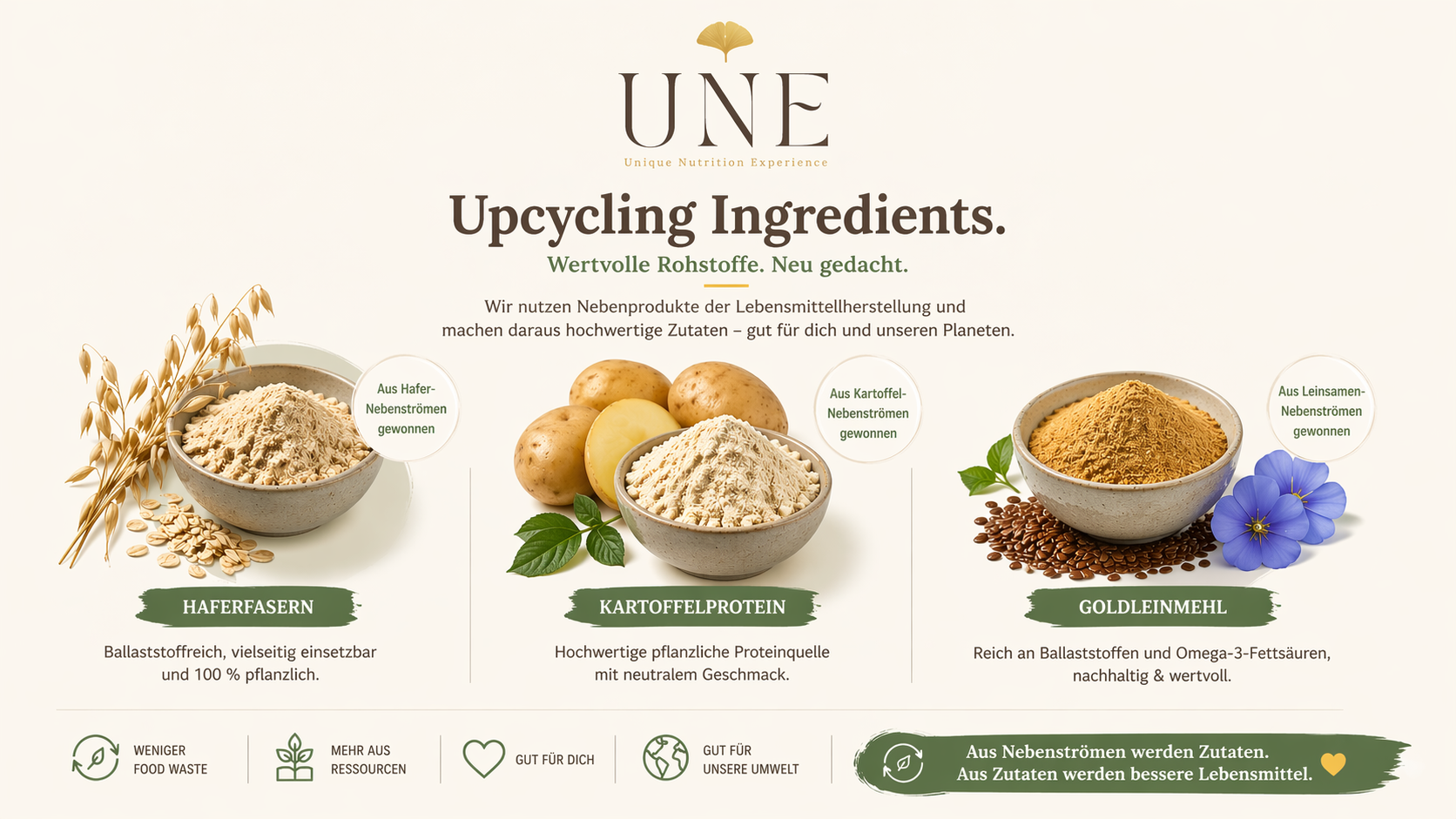
Upcycling in food: what is behind it – and why it is becoming relevant
Upcycling in food: what is behind it – and why it is becoming relevant More and more food…
Why Collagen Cannot Be Fully Understood Without the Gut
Collagen alone is not enough – and this is where the misconception lies We often think…