'/%3E%3C/svg%3E)

'/%3E%3Cpath%20fill='%23b2b2b2'%20d='M241%20382q0%2016%2017%2026%2017%2011%2042%2011t42-11q16-11%2017-26V269H241'/%3E%3Cpath%20fill='%239f7e00'%20d='M241%20379q0%2014%208%2023%209%209%2021%209%2014%200%2021-9%209-9%209-23V269h-59'/%3E%3Cpath%20d='M241%20339v-70h59v110q0%2014-9%2023l-6%205v-68h-15v72q-8%200-14-4v-68zm59%2040c0%2022%2015%2032%2029%2032%2021%200%2030-18%2030-32v-40h-59'/%3E%3Cpath%20fill='%239f7e00'%20d='M266%20277v5h2v12h-3v-5h2v-5h-9v5h2v5h-4v9h3v18h-5v10h34v-10h-5v-18h3v-9h-4v-5h2v-5h-9v5h2v5h-3v-12h2v-5zm42%20101q0%2010%206%2017%206%206%2015%207%2010-1%2016-7%206-7%206-17v-29h-43'/%3E%3Ccircle%20fill='%230044ad'%20cx='329.5'%20cy='372'%20r='6'/%3E%3Cellipse%20fill='%230044ad'%20cx='300'%20cy='340'%20rx='16'%20ry='21'/%3E%3C/svg%3E)
'/%3E%3C/g%3E%3Cuse%20href='%23c'%20transform='matrix(-1%200%200%201%20720%200)'/%3E%3C/svg%3E)
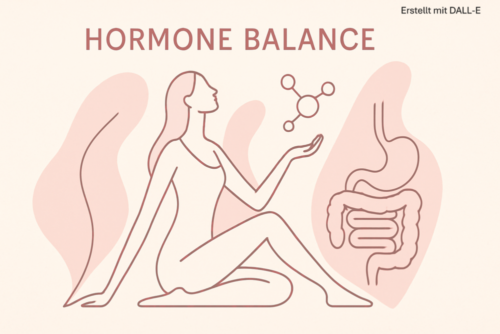
PMS & Nutrition: Current Perspectives from Research
PMS & Nutrition: Current Perspectives from Research
Premenstrual syndrome (PMS) affects many menstruating people in the days before their period. Symptoms range from mood swings, irritability and exhaustion to cravings, bloating or feelings of tension. The causes are considered complex and are discussed in connection with hormonal changes, among other factors.
Alongside sleep, stress management and exercise, nutritional research is also increasingly exploring the role nutrition can play in everyday life during different phases of the cycle – with dietary fiber and protein in particular often taking centre stage.
What is PMS?
PMS describes physical and emotional symptoms that typically occur in the second half of the cycle and often subside once menstruation begins.
The exact causes have not yet been fully clarified scientifically. Factors under discussion include:
- hormonal changes
- individual metabolic processes
- sleep and stress
- as well as possible links to neurotransmitters such as serotonin.
Nutrition in a hormonal context
Many scientific studies examine the connection between nutrition, blood sugar regulation, digestion and general wellbeing.
Particularly frequently discussed are:
- fiber-rich foods
- protein-rich meals
- regular meal patterns
- and as few highly processed foods as possible.
Dietary fiber in focus
Dietary fiber consists of components of plant-based foods that are examined in numerous nutrition studies.
It is discussed in connection with, among other things:
- digestive processes
- satiety mechanisms
- blood sugar responses
- as well as the gut microbiome.
Commonly used fiber-rich ingredients include:
- inulin
- acacia fiber
- oat fiber
- vegetables
- legumes
- and berries.
Protein in everyday life
Proteins provide amino acids and are involved in numerous biological processes in the body.
Protein-rich meals are often discussed in connection with:
- satiety
- a balanced diet
- muscle building
- and everyday energy supply.
Protein sources can include, for example:
- milk protein
- egg white
- legumes
- tofu
- nuts
- or plant-based protein sources.
The UNE Foods approach
UNE Foods develops protein- and fiber-rich recipes with clean-label-oriented ingredients and practical everyday use.
Our products combine:
- selected fiber sources
- protein-rich ingredients
- transparent recipes
- and modern food concepts.
These include, among others:
- Protein-Fiber bread baking mixes
- as well as the Protein-Fiber pizza dough.
Our focus is on:
- protein- and fiber-rich recipes
- selected ingredients
- as few highly processed components as possible
- and uncomplicated integration into everyday life.
Conclusion
Scientifically, PMS is regarded as a complex interplay of various factors. Nutrition is only one possible building block among many.
A mindful lifestyle with a balanced diet, sufficient sleep and regular exercise is discussed in numerous fields of research in connection with general wellbeing.
Legal notice: This article is for information purposes only and does not replace medical advice. If you have health concerns, please consult a medical professional.
You may also like
Longevity & Cellular Health: Why Mitochondria Hold the Key to Energy and Healthy Aging
Cellular Health and Longevity – How Mitochondria Shape Healthy Aging Cellular health and…
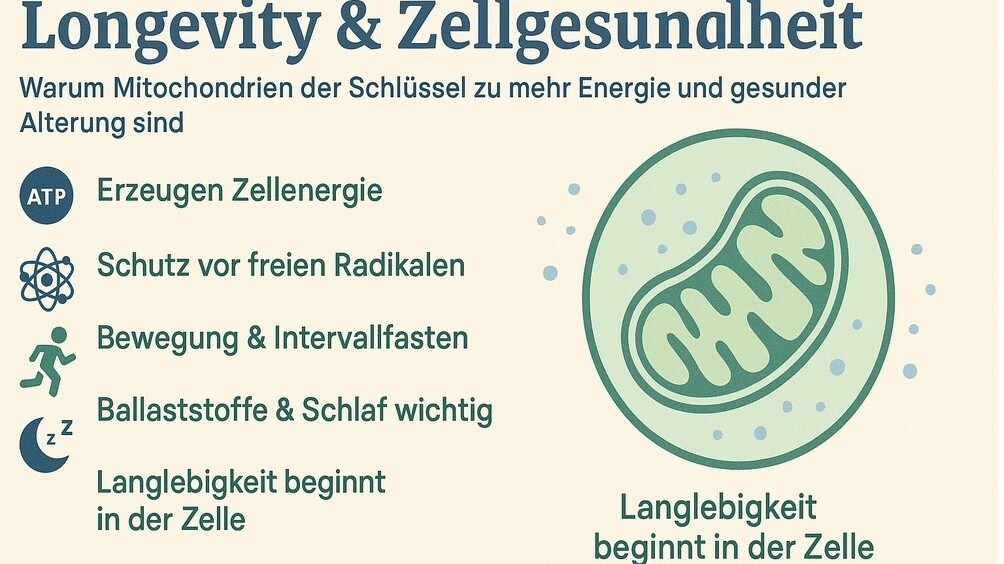
Longevity & Cell Health: Why Mitochondria Are the Key to More Energy and Healthy Ageing
Longevity & cellular energy: why mitochondria are currently being researched so…
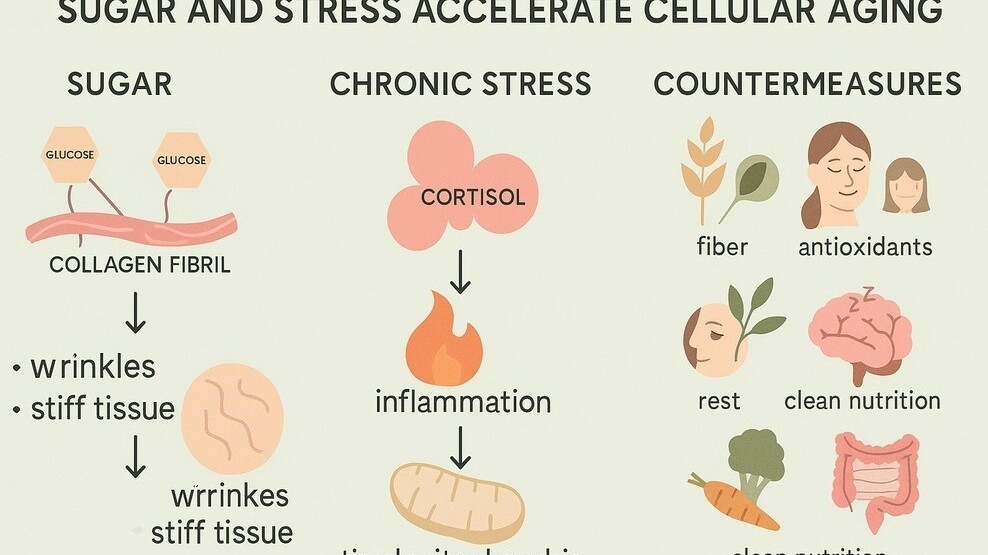
How Sugar & Stress Affect Cellular Aging – and What Can Help
Slowing Cell Aging: What Sugar and Stress Have to Do With It It’s actually quite simple:…