



What Happens to Your Body When You Cut Out Sugar?
Cutting out sugar from your daily diet can have noticeable effects on your body. In this article, we explore the possible changes and how smart sugar-free options – like those from UNE FOODS – fit into a balanced lifestyle.
Sugar is a common ingredient in many everyday foods – from breakfast cereals to dressings and baked goods. But what actually happens when you consciously cut out added sugar? In this article, we’ll explore how a reduced-sugar lifestyle can affect the body – clearly, thoughtfully, and without hype.
5 Benefits of Cutting Out Sugar in Daily Life
1. Blood sugar levels become more stable
Many processed foods contain rapidly available carbohydrates that cause blood sugar levels to spike. The body responds by releasing insulin to transport the sugar from the blood into the cells. Frequent swings between “sugar highs” and “sugar crashes” can be exhausting over time. Reducing or avoiding added sugar can help stabilize blood sugar levels – which may positively impact overall well-being.
2. More clarity and energy – that’s what many report
Although the first few days without sugar can come with cravings or habits, many people report increased energy levels shortly afterward. This may be because the body starts supplying energy more consistently – without the ups and downs triggered by high-sugar snacks.
3. Your sense of taste adapts
Cutting sugar often changes how we perceive flavor. Foods that used to taste “normally sweet” may suddenly seem too sweet. At the same time, natural flavors – such as those from nuts, oats, cocoa, or spices – become more noticeable. This shift in taste perception can influence food choices over time.
4. You start reading labels more consciously
Sugar often hides in unexpected places – like tomato sauce, fruit yogurt, or even bread. Anyone trying to reduce or avoid sugar typically becomes more aware of ingredient lists and nutrition information. This awareness can support more balanced eating – with an emphasis on fiber, protein, and natural ingredients.
5. Less sugar – but still full of flavor?
Living sugar-free doesn’t mean giving up joy. It’s more about choosing ingredients mindfully and discovering new favorites. Baking, breakfast, or snacks can still be delicious – when you know what to look for.
Conclusion
Reducing sugar isn’t a strict rulebook – it’s a personal decision. Those who cut out added sugar often experience positive changes in everyday life – without having to follow rigid rules. The key is finding smart alternatives that taste great and fit your routine.
🍞 Final tip: Bake smarter – without added sugar
Our functional baking mixes offer a delicious base without added sugar – instead, they feature high-quality ingredients like natural fiber and protein.
If you’re also looking to support your nutrition more mindfully: our Premium Collagen Hydrolysate with blackberry leaf extract combines types I & III collagen with fiber, micronutrients, and natural flavor – ideal for your daily routine.
👉 Explore now and upgrade your everyday routine:
Disclaimer:
This article is for informational purposes only and does not replace medical advice.
You may also like
What is the Low-Carb Diet?
The Low-Carb diet is a nutritional approach that reduces carbohydrate intake while…
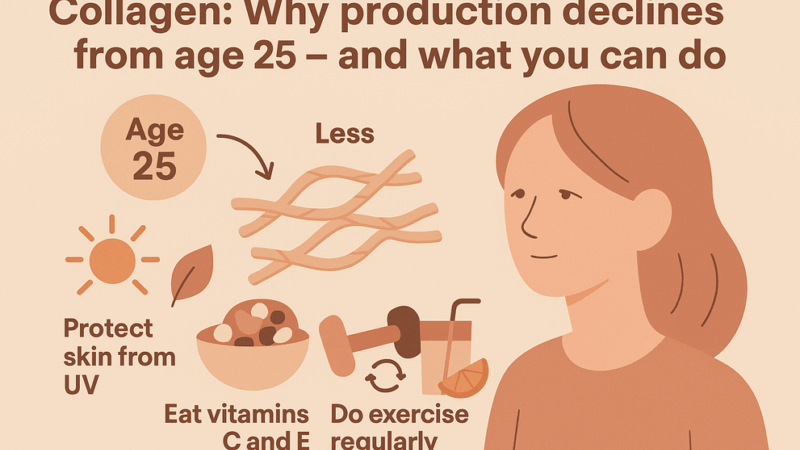
Collagen: Why Production Declines After Age 25 – and What You Can Do
What Is Collagen – and Why Is It So Important? Collagen is the most abundant structural…
Collagen: Why the Body’s Own Production Is Discussed in Relation to Age
What is collagen – and why is it talked about so much? Collagen is a structural protein…