'/%3E%3C/svg%3E)

'/%3E%3Cpath%20fill='%23b2b2b2'%20d='M241%20382q0%2016%2017%2026%2017%2011%2042%2011t42-11q16-11%2017-26V269H241'/%3E%3Cpath%20fill='%239f7e00'%20d='M241%20379q0%2014%208%2023%209%209%2021%209%2014%200%2021-9%209-9%209-23V269h-59'/%3E%3Cpath%20d='M241%20339v-70h59v110q0%2014-9%2023l-6%205v-68h-15v72q-8%200-14-4v-68zm59%2040c0%2022%2015%2032%2029%2032%2021%200%2030-18%2030-32v-40h-59'/%3E%3Cpath%20fill='%239f7e00'%20d='M266%20277v5h2v12h-3v-5h2v-5h-9v5h2v5h-4v9h3v18h-5v10h34v-10h-5v-18h3v-9h-4v-5h2v-5h-9v5h2v5h-3v-12h2v-5zm42%20101q0%2010%206%2017%206%206%2015%207%2010-1%2016-7%206-7%206-17v-29h-43'/%3E%3Ccircle%20fill='%230044ad'%20cx='329.5'%20cy='372'%20r='6'/%3E%3Cellipse%20fill='%230044ad'%20cx='300'%20cy='340'%20rx='16'%20ry='21'/%3E%3C/svg%3E)
'/%3E%3C/g%3E%3Cuse%20href='%23c'%20transform='matrix(-1%200%200%201%20720%200)'/%3E%3C/svg%3E)
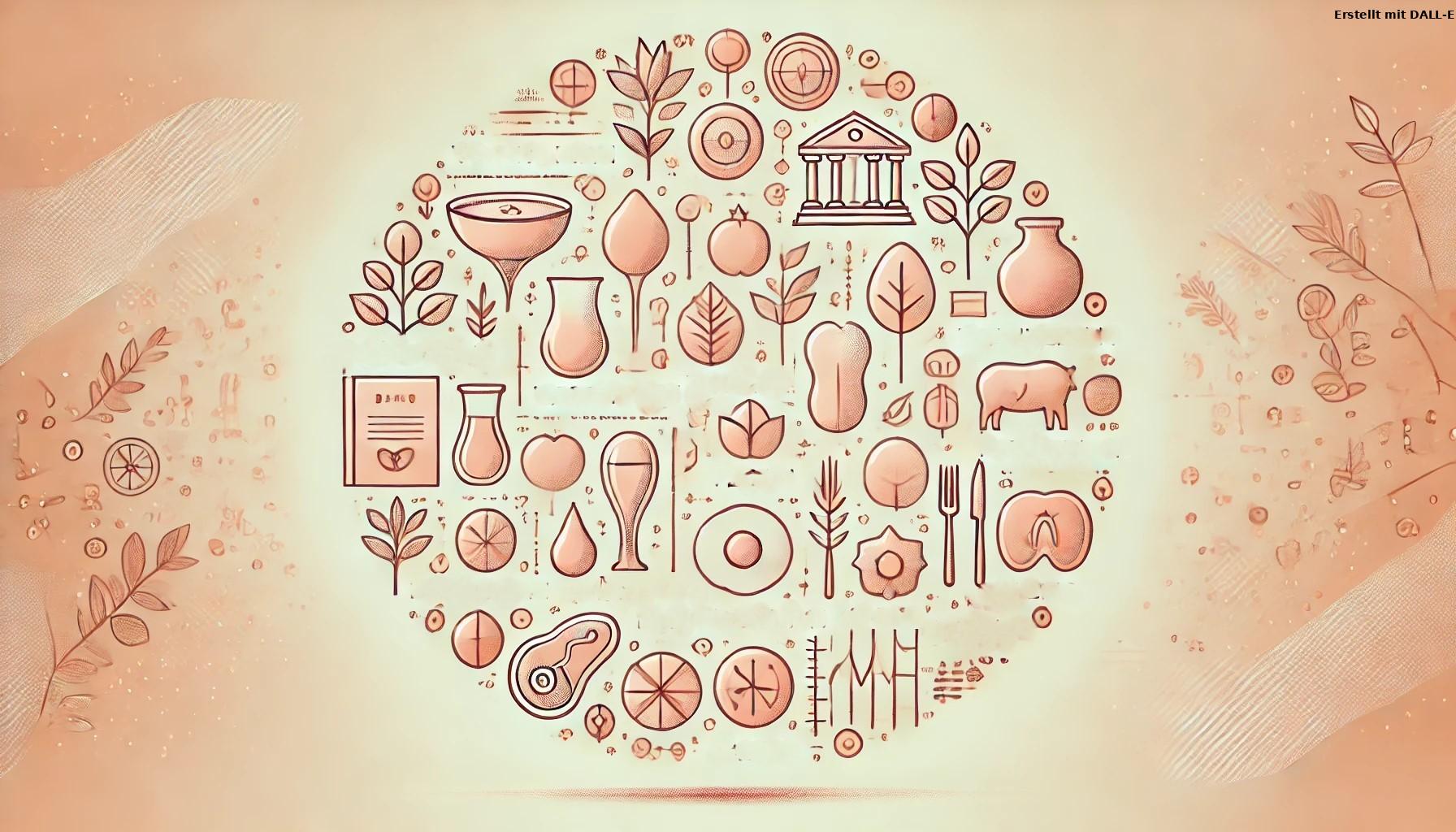
What types of diet are there?
Nutrition is as individual as each person. There are many different ways of eating, shaped by personal preferences, individual needs or particular lifestyles.
Here are some of the best-known types of diet:
1. Omnivorous diet
The omnivorous diet includes both plant-based and animal-based foods.
It is one of the most widespread ways of eating worldwide and combines different food groups.
2. Vegetarian diet
People who live vegetarian avoid meat and fish, but often continue to consume dairy products and eggs.
There are several variations:
- Ovo-lacto vegetarian: dairy products and eggs allowed
- Ovo vegetarian: eggs allowed, no dairy products
- Lacto vegetarian: dairy products allowed, no eggs
3. Vegan diet
The vegan diet avoids animal products such as meat, fish, milk, eggs or honey.
It is based exclusively on plant-based foods.
4. Flexitarian diet
Flexitarians eat predominantly plant-based foods, but occasionally incorporate animal products into their diet.
Personal preferences and individual eating habits often play a role here.
5. Pescetarian diet
Pescetarians avoid meat but consume fish and seafood.
This way of eating combines plant-focused meals with fish as a complementary food group.
6. Ketogenic diet
The ketogenic diet is based on a high proportion of fat and a greatly reduced carbohydrate intake.
This can allow the body to reach a metabolic state known as ketosis.
7. Paleo diet
The paleo diet is modelled on an ancestral way of eating with as few processed foods as possible.
Commonly eaten foods include meat, fish, vegetables, nuts and seeds, while certain food groups such as grains or legumes are partly avoided.
8. Low-carb diet
In the low-carb diet, carbohydrate intake is reduced, while proteins and fats are given greater emphasis.
The approach can range from moderately to strongly carbohydrate-reduced.
Why nutrition is perceived differently from person to person
Research fields such as microbiome research, metabolic analysis and nutritional science are increasingly exploring the question of why people can respond differently to foods.
Among the factors discussed are:
- individual gut flora
- genetics
- lifestyle
- sleep
- physical activity
- as well as personal eating habits.
As a result, identical meals can be perceived differently by different people.
Dietary fiber in the modern nutritional context
Dietary fiber plays an important role in many ways of eating and is often discussed in connection with nutrition, digestion and meal structure.
It occurs naturally, for example, in:
- vegetables
- legumes
- wholegrain products
- nuts
- seeds
- as well as certain plant fibres.
Conclusion
There is no single “right” way of eating for everyone.
Which type of diet fits best often depends on personal preferences, daily routine, individual needs and long-term feasibility.
Note: This article is for information purposes only and does not replace medical advice.
You may also like
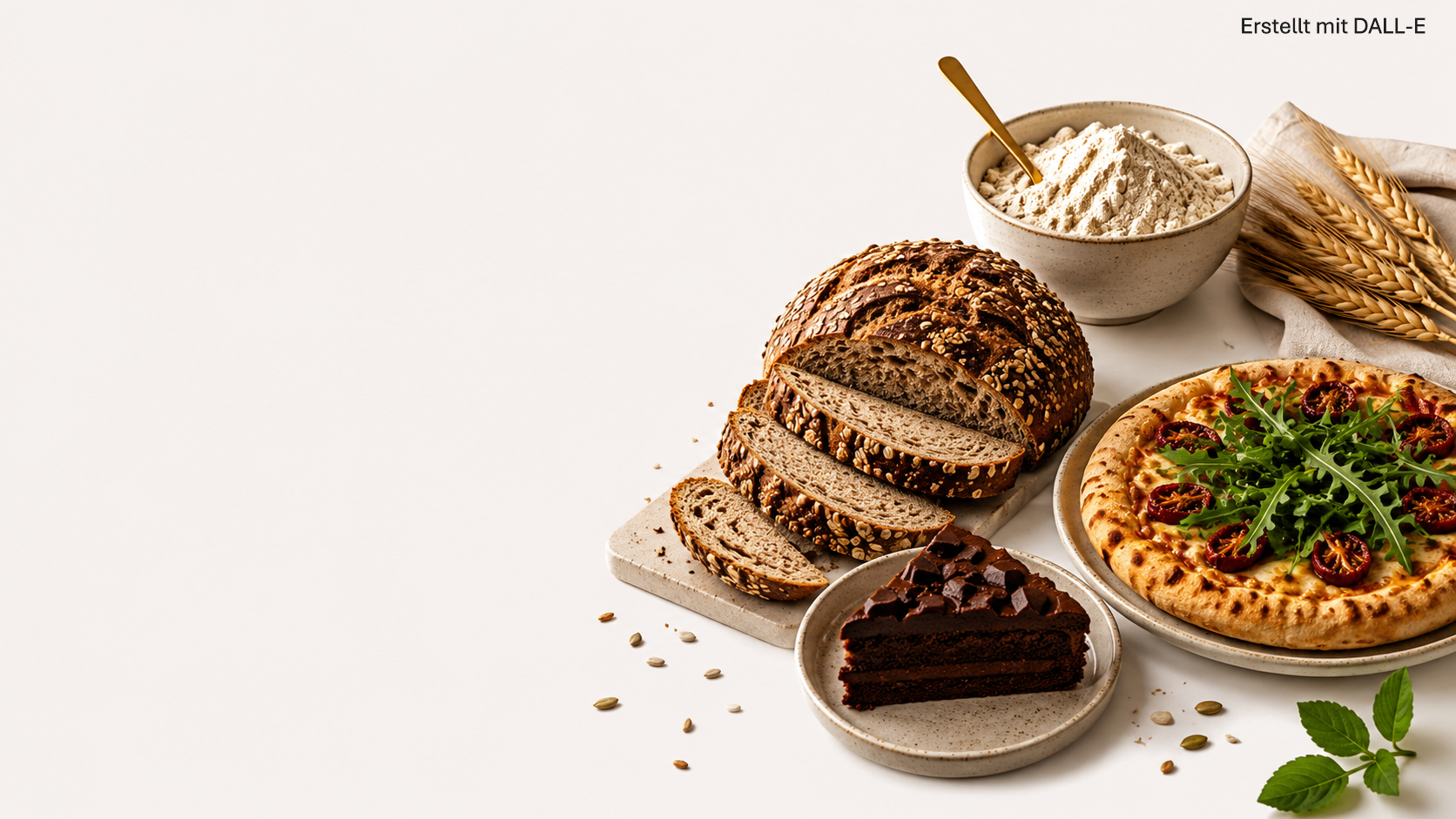
Fibermaxxing: Why Dietary Fiber Is Trending Right Now – and How UNE Foods Makes It Easy for Everyday Life
More Fiber in everyday life – without complicated routines, without extra products and…
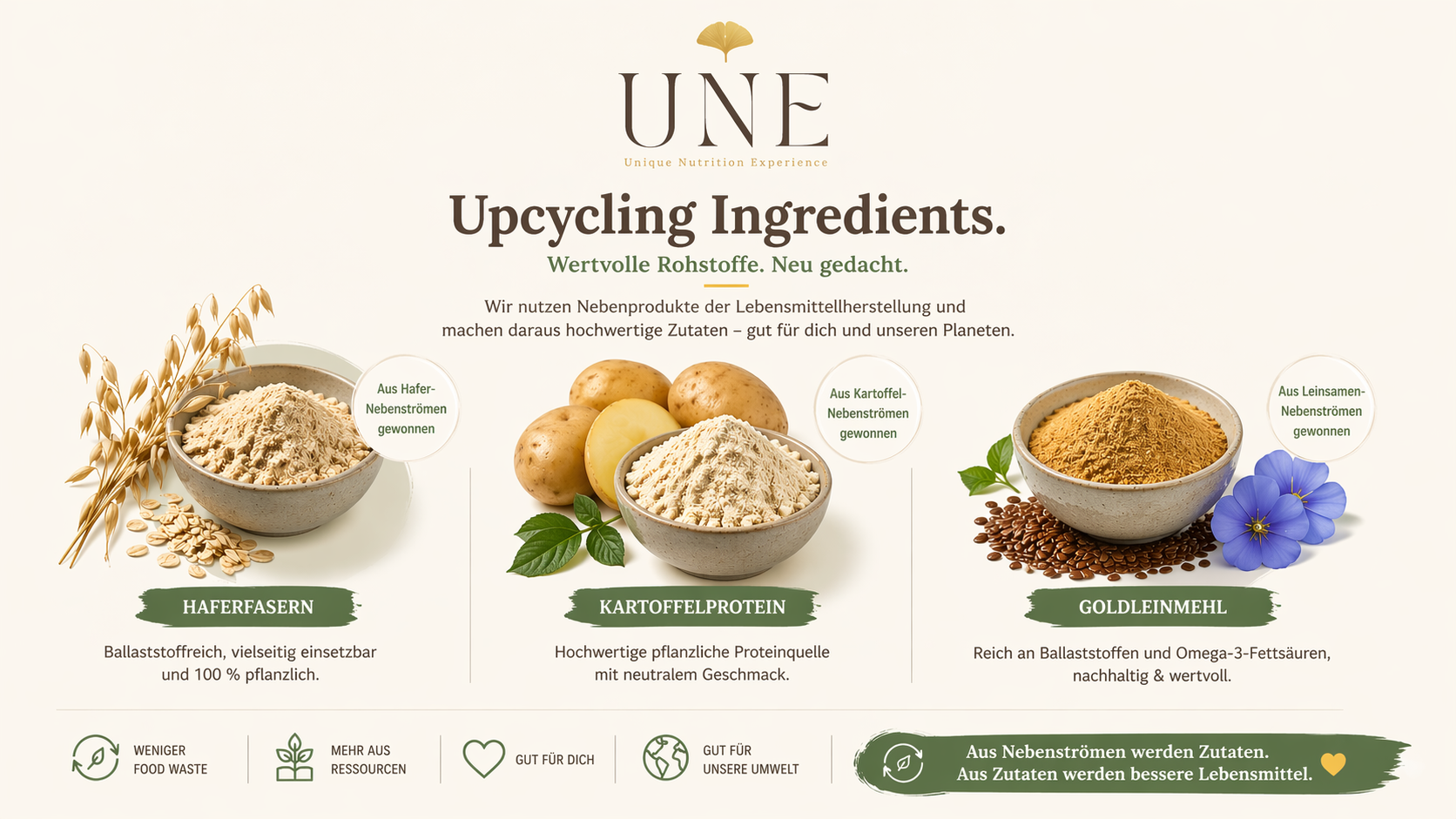
Upcycling in food: what is behind it – and why it is becoming relevant
Upcycling in food: what is behind it – and why it is becoming relevant More and more food…
Why Collagen Cannot Be Fully Understood Without the Gut
Collagen alone is not enough – and this is where the misconception lies We often think…