'/%3E%3C/svg%3E)

'/%3E%3Cpath%20fill='%23b2b2b2'%20d='M241%20382q0%2016%2017%2026%2017%2011%2042%2011t42-11q16-11%2017-26V269H241'/%3E%3Cpath%20fill='%239f7e00'%20d='M241%20379q0%2014%208%2023%209%209%2021%209%2014%200%2021-9%209-9%209-23V269h-59'/%3E%3Cpath%20d='M241%20339v-70h59v110q0%2014-9%2023l-6%205v-68h-15v72q-8%200-14-4v-68zm59%2040c0%2022%2015%2032%2029%2032%2021%200%2030-18%2030-32v-40h-59'/%3E%3Cpath%20fill='%239f7e00'%20d='M266%20277v5h2v12h-3v-5h2v-5h-9v5h2v5h-4v9h3v18h-5v10h34v-10h-5v-18h3v-9h-4v-5h2v-5h-9v5h2v5h-3v-12h2v-5zm42%20101q0%2010%206%2017%206%206%2015%207%2010-1%2016-7%206-7%206-17v-29h-43'/%3E%3Ccircle%20fill='%230044ad'%20cx='329.5'%20cy='372'%20r='6'/%3E%3Cellipse%20fill='%230044ad'%20cx='300'%20cy='340'%20rx='16'%20ry='21'/%3E%3C/svg%3E)
'/%3E%3C/g%3E%3Cuse%20href='%23c'%20transform='matrix(-1%200%200%201%20720%200)'/%3E%3C/svg%3E)

Sugar – the silent saboteur of our brain
New research is increasingly examining the connection between nutrition, wellbeing and long-term lifestyle factors.
Highly processed foods in particular are often the focus of scientific discussions – partly because of their high sugar content, their energy density and their deliberately engineered sensory design.
Many industrially produced products contain added sugar or sugar-like ingredients in various forms, such as glucose syrup, maltodextrin or rice syrup.
At the same time, interest is growing in foods with:
- a transparent ingredient list,
- a lower sugar content,
- a higher protein and fiber content,
- and as few additives as possible.
Clean label as a conscious alternative
At UNE Foods, we rely on protein- and fiber-rich recipes without sugar alcohols or unnecessary fillers.
Our products combine:
- selected fiber sources,
- protein-rich ingredients,
- clean-label-oriented recipes,
- and practical everyday use.
In doing so, we follow an approach based on transparency, nutritional focus and modern food development. Discover our products.
Flavour, rethought
Flavour is not created by sugar alone. That is why we work with selected ingredients and natural flavour profiles to develop recipes with depth and character.
Our goal:
To develop products that can be easily integrated into a mindful everyday life – without overloaded ingredient lists or unnecessary additives.
This article is for general information purposes and does not replace medical advice. The connections mentioned reflect the current state of scientific discussion and are not product characteristics of UNE Foods.
You may also like
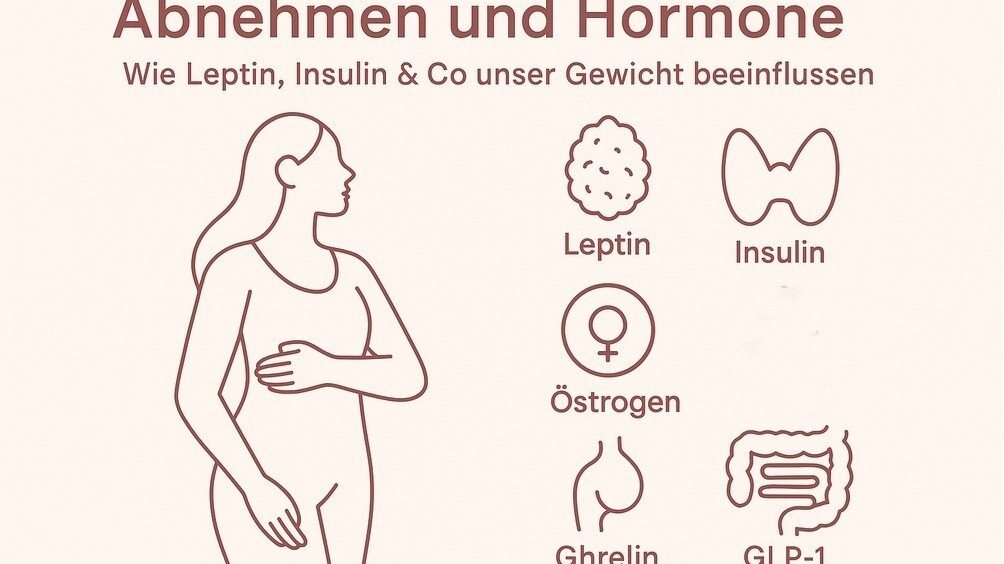
Hormones, Diet and Lifestyle: Current Perspectives from Research
Weight Loss and Hormones: How Leptin, Insulin & Co. Relate to Diet and Lifestyle Why…
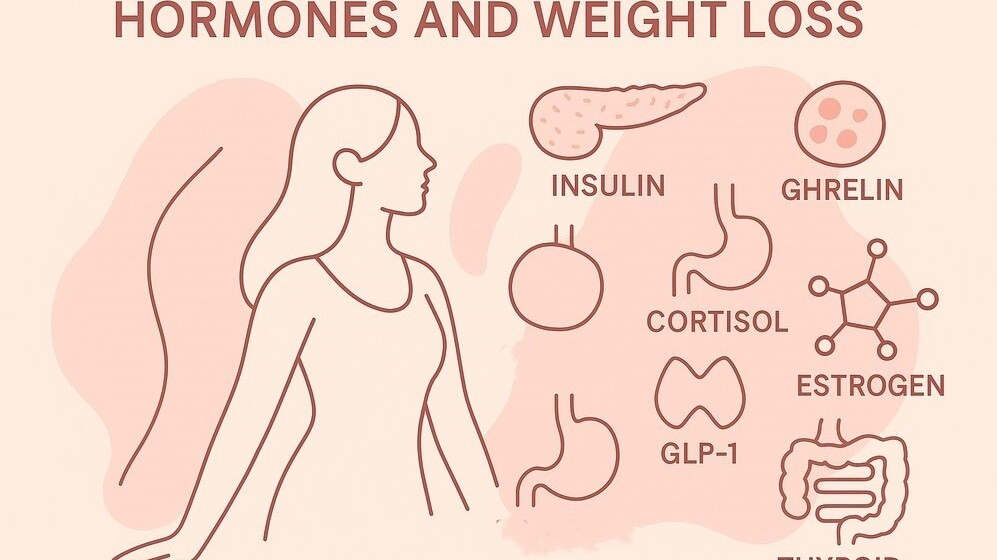
Weight Loss and Hormones: How Leptin, Insulin & Co. Influence Body Weight
“Why am I not losing weight – even though I eat healthily?” Many people ask themselves…
PMS & Nutrition: Current Perspectives from Research
PMS & Nutrition: Current Perspectives from Research Premenstrual syndrome (PMS)…