

Is Honey Healthier Than Sugar? What Science Really Says
Is honey healthier than sugar? What science really says
Many health conscious consumers wonder whether honey, dates or coconut sugar are healthier alternatives to regular sugar.
Honey in muesli, dates in smoothies or coconut sugar in baking all sound more natural and wholesome. These ingredients are often associated with clean label claims, natural sweetness and added nutrients. But does this actually make a meaningful difference for the body, or is it mainly clever marketing?
What is sugar?
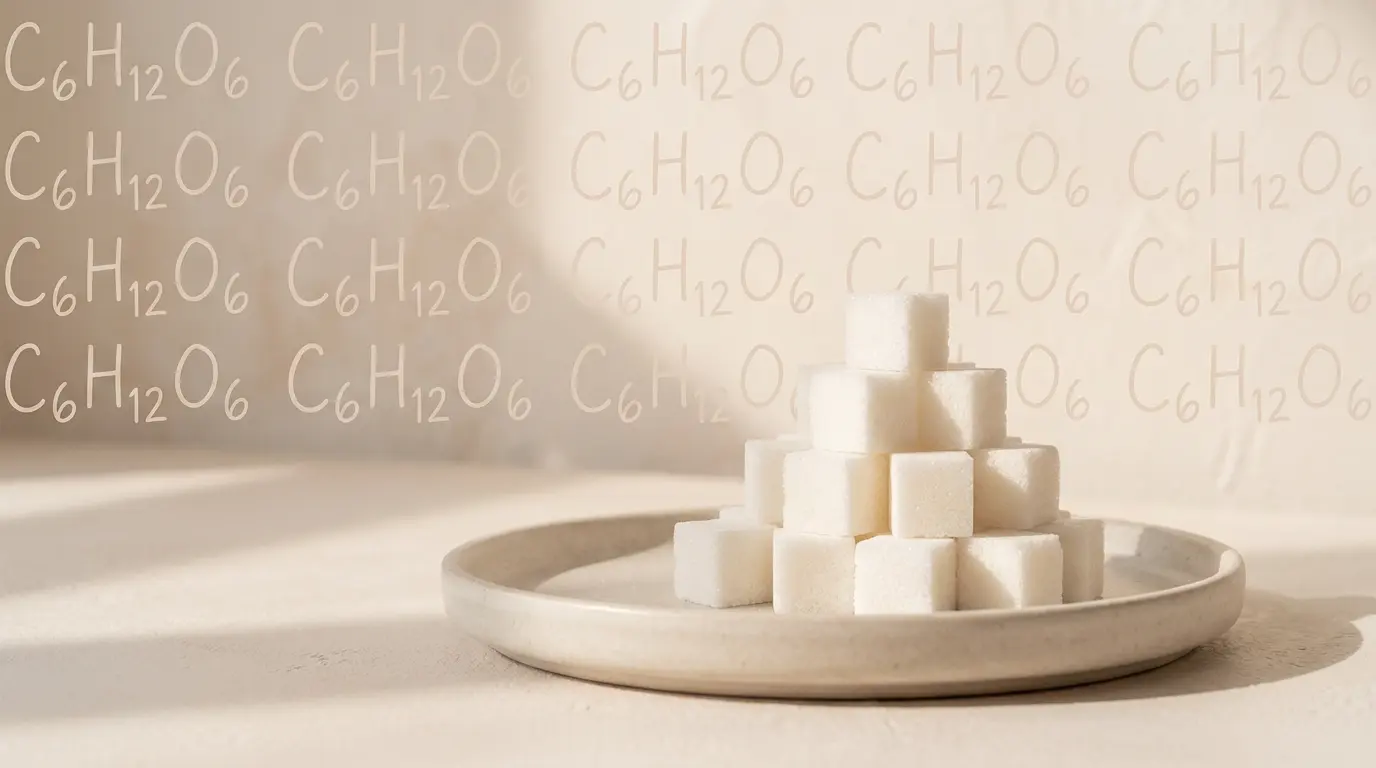
From a biochemical perspective, sugar consists mainly of glucose and fructose. Table sugar, also known as sucrose, is a one to one combination of these two molecules.
The key point is that honey, dates, maple syrup and coconut sugar also contain the same molecules, only in different ratios and with varying water content.
Composition overview:
Table sugar (sucrose): approx. 100 percent sugar
Honey: approx. 80 percent sugar
Dates: approx. 65 percent sugar
Coconut sugar: approx. 75 percent sucrose
Maple syrup: approx. 60 percent sucrose
Biochemically, these sweeteners deliver the same sugar molecules.
How does the body respond to natural sweeteners?
The human metabolism processes honey and sugar in very similar ways.
Blood sugar and insulin
Studies show only minor differences in the glycemic index:
Table sugar: GI approx. 65
Honey: GI approx. 55 to 75
Dates: GI approx. 42 to 100
Coconut sugar: GI approx. 54
In practice, these differences are negligible and depend largely on portion size and individual metabolism.
But honey contains vitamins and antioxidants
This is true in theory. Honey and dates contain trace amounts of antioxidants, minerals and B vitamins. However, the quantities are extremely small.
To reach nutritionally relevant amounts, one would need to consume hundreds of grams per day, resulting in excessive sugar intake.
For antioxidants, foods such as berries, nuts or leafy greens are far more efficient sources.
What do WHO and DGE recommend?
Both the World Health Organization and the Deutsche Gesellschaft für Ernährung recommend limiting free sugar intake to less than 10 percent of daily energy intake, ideally below 5 percent.
This includes honey, syrups and fruit juices, regardless of their natural origin.
When can natural sweeteners make sense?
-
After intense physical activity
-
For occasional enjoyment
-
For flavor variety
The total sugar intake remains the key factor.
Clean label does not mean sugar free
Products labeled clean label or without added sugar may still contain honey or date paste. Legally permitted, but potentially misleading.
Conclusion
From a scientific perspective, sugar is sugar. Honey, dates and coconut sugar affect blood sugar and insulin in similar ways as table sugar. A conscious diet focuses on total sugar intake rather than marketing claims.
FAQ: Frequently Asked Questions About Natural Sugar
Is honey healthier than sugar?
From a biochemical perspective, no. Honey consists of approximately 80 percent sugar in the form of glucose and fructose and has a glycemic index similar to that of table sugar.
Does coconut sugar have a lower glycemic index?
The glycemic index of coconut sugar is around 54, while table sugar has a glycemic index of approximately 65. This difference is small and not practically relevant for most dietary patterns.
Are dates a good alternative to sugar?
Dates contain dietary fiber and small amounts of micronutrients, but they consist of approximately 65 percent sugar. According to recommendations from the World Health Organization and the Deutsche Gesellschaft für Ernährung, they are considered free sugars and should be consumed in limited amounts.
Can I save calories by using honey instead of sugar?
No. Honey has nearly the same caloric density as table sugar, providing approximately 300 to 320 kilocalories per 100 grams.
Disclaimer
This article is intended for informational purposes only and does not constitute medical, nutritional or health related advice. For individual dietary questions, please consult qualified healthcare or nutrition professionals.
Sources
-
World Health Organization (WHO): Guideline – Sugars intake for adults and children (2015)
-
Deutsche Gesellschaft für Ernährung (DGE): Carbohydrates in Human Nutrition
-
Journal of Nutrition: Glycemic Index and Glycemic Load of Natural Sweeteners
-
European Journal of Clinical Nutrition: Metabolic effects of honey versus sucrose
You may also like
Collagen: Why Production Declines After Age 25 – and What You Can Do
What Is Collagen – and Why Is It So Important? Collagen is the most abundant structural…
Collagen: Why the Body’s Own Production Is Discussed in Relation to Age
What is collagen – and why is it talked about so much? Collagen is a structural protein…
What Happens to Your Body When You Cut Out Sugar?
Cutting out sugar from your daily diet can have noticeable effects on your body. In this…