

'/%3E%3C/svg%3E)

'/%3E%3Cpath%20fill='%23b2b2b2'%20d='M241%20382q0%2016%2017%2026%2017%2011%2042%2011t42-11q16-11%2017-26V269H241'/%3E%3Cpath%20fill='%239f7e00'%20d='M241%20379q0%2014%208%2023%209%209%2021%209%2014%200%2021-9%209-9%209-23V269h-59'/%3E%3Cpath%20d='M241%20339v-70h59v110q0%2014-9%2023l-6%205v-68h-15v72q-8%200-14-4v-68zm59%2040c0%2022%2015%2032%2029%2032%2021%200%2030-18%2030-32v-40h-59'/%3E%3Cpath%20fill='%239f7e00'%20d='M266%20277v5h2v12h-3v-5h2v-5h-9v5h2v5h-4v9h3v18h-5v10h34v-10h-5v-18h3v-9h-4v-5h2v-5h-9v5h2v5h-3v-12h2v-5zm42%20101q0%2010%206%2017%206%206%2015%207%2010-1%2016-7%206-7%206-17v-29h-43'/%3E%3Ccircle%20fill='%230044ad'%20cx='329.5'%20cy='372'%20r='6'/%3E%3Cellipse%20fill='%230044ad'%20cx='300'%20cy='340'%20rx='16'%20ry='21'/%3E%3C/svg%3E)
'/%3E%3C/g%3E%3Cuse%20href='%23c'%20transform='matrix(-1%200%200%201%20720%200)'/%3E%3C/svg%3E)

Dietary Fiber and Ketosis: A Sober Look at a Common Myth
Dietary fiber is a firm component of many nutritional recommendations – and for good reason. It is considered a natural constituent of plant-based foods, is not digested by the human digestive system and yet performs an important function.
Nevertheless, misleading claims keep circulating on social media –for example, that dietary fiber could interrupt ketosis.
In this article, we assess the facts in a sober, balanced and comprehensible way.
What actually is dietary fiber?
Dietary fiber consists of indigestible components of plant-based foods. It passes through the small intestine almost intact and reaches the large intestine, where it is partially fermented by gut bacteria. This process produces so-called short-chain fatty acids (e.g. butyrate), which play a role in the microbiome and in energy metabolism in the gut.
A distinction is made between:
- Soluble fiber (e.g. inulin, oat fibers, acacia fibers, pectin)
- Insoluble fiber (e.g. wheat flour, wheat bran, cellulose)
Both types perform different tasks in the digestive tract.
Straight to the point: does dietary fiber interrupt ketosis?
This question is hotly debated on social media – unfortunately without a sound basis. So here is the clear, factual assessment:
Dietary fiber – especially indigestible types such as inulin, oat fibers or acacia fibers – is not converted into glucose by the body. Dietary fiber is generally not digested into glucose and therefore does not contribute directly to blood glucose in the same way as digestible carbohydrates. Quite the opposite: some types even promote the formation of short-chain fatty acids such as butyrate in the gut – which can be supportive on a ketogenic diet.
Of course:
- Isolated carbohydrates (e.g. sugar, flours) inhibit ketosis
- Dietary fiber, however, is technically speaking not a metabolisable carbohydrate
Why does this confusion exist?
In nutrition labelling, dietary fiber is often grouped under “carbohydrates” or listed together with them – which can easily lead to misunderstandings among consumers.
Yet dietary fiber differs fundamentally from digestible carbohydrates in how it is metabolised and in its physiological function.
In the USA in particular, so-called “0g net carbs” products are widespread. Here, only the proportion of “net carbs” (i.e. the digestible carbohydrates) is deliberately declared. Dietary fiber is deducted because it does not contribute to glucose formation.
In Europe, too, many “low carb” or “keto-friendly” products therefore carry the note: “Do not count dietary fiber as digestible carbohydrates”. So some ketogenic dietary approaches count only digestible (“net”) carbohydrates.
Such claims are not wrong across the board – but they show how important it is not to lump dietary fiber and sugar together.
Why is dietary fiber valuable?
Dietary fiber performs many tasks in the human digestive system. Among other things, it contributes to:
- digestive processes
- extending gastric retention time
- the structure and texture of foods
- supplying the microbiome with fermentable substrates
This is not about promises of effects, but about well-known properties of plant fibers.
Dietary fiber at UNE FOODS
Our baking mixes naturally contain a high amount of dietary fiber – e.g. from oat fibers, inulin, acacia fiber or wheat fibers. These fibers support a mindful and keto – friendly diet without added sugar or sugar alcohols.
We believe in natural ingredients – without myths, but with clear knowledge of their functional added value.
Conclusion: dietary fiber is not an enemy of ketosis
The claim that dietary fiber interrupts ketosis is nutritionally incorrect. Unfortunately, the term “carbohydrates” is often used indiscriminately.
Anyone familiar with nutritional biochemistry knows: dietary fiber is not the same as digestible carbohydrates – and does not interrupt ketosis.
This article is for information purposes only and does not replace medical advice.
✨ Discover our baking mixes with high-quality dietary fiber:
👉 Try them now and discover the difference – with no added sugar, but with fiber power. 💪
You may also like

Fibermaxxing: Why Dietary Fiber Is Trending Right Now – and How UNE Foods Makes It Easy for Everyday Life
More Fiber in everyday life – without complicated routines, without extra products and…
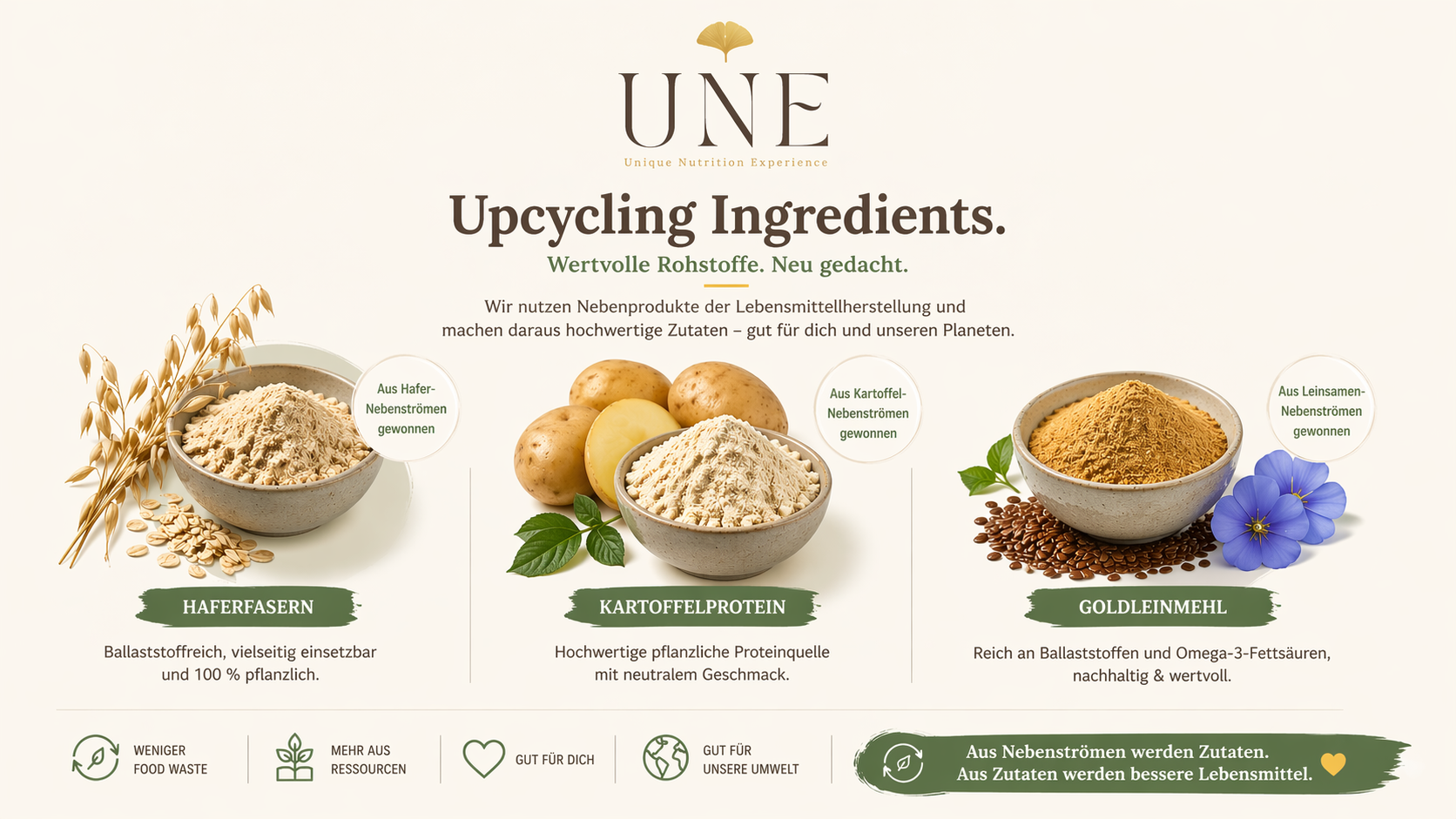
Upcycling in food: what is behind it – and why it is becoming relevant
Upcycling in food: what is behind it – and why it is becoming relevant More and more food…
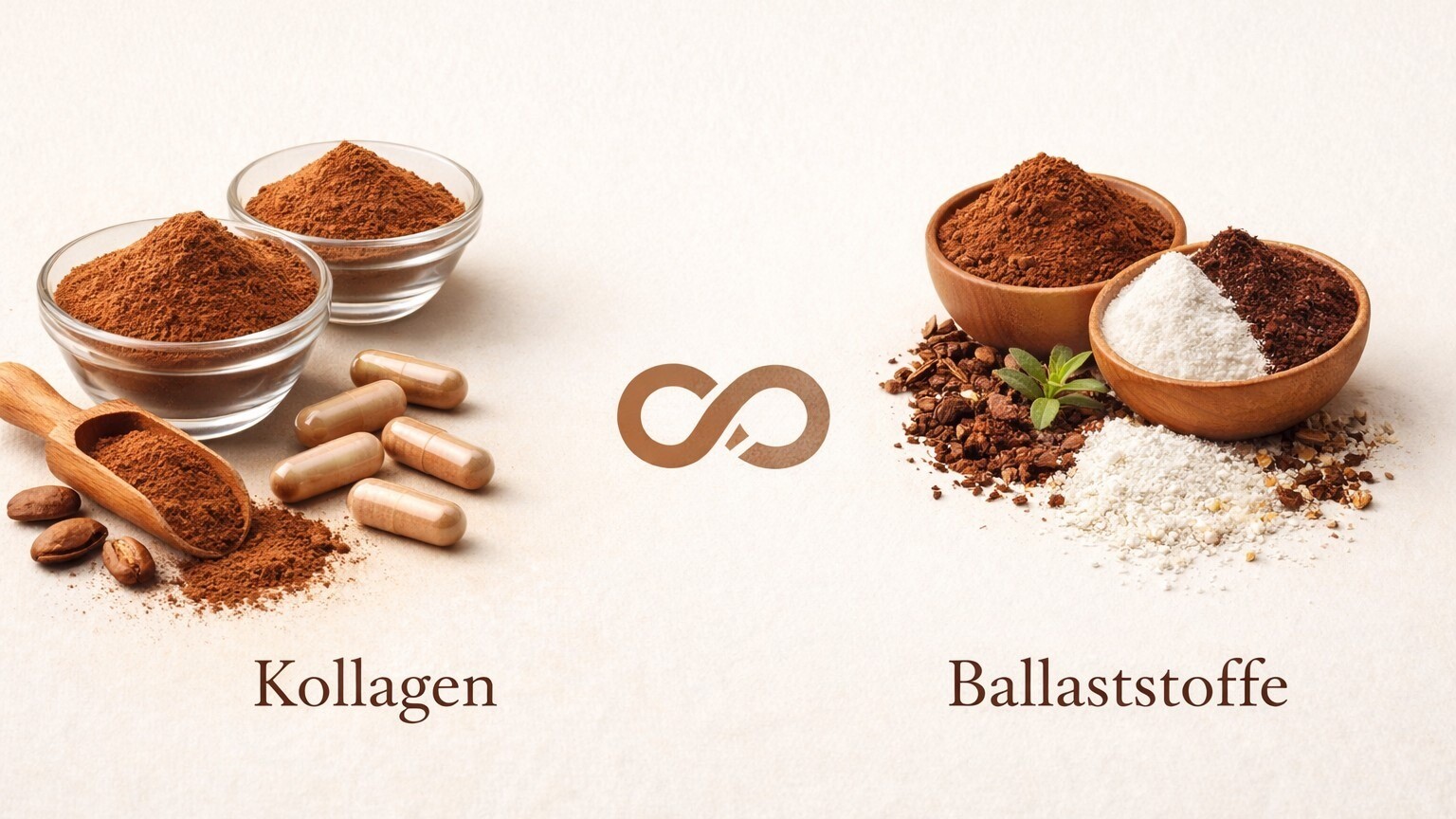
Why Collagen Cannot Be Fully Understood Without the Gut
Collagen alone is not enough – and this is where the misconception lies We often think…