'/%3E%3C/svg%3E)

'/%3E%3Cpath%20fill='%23b2b2b2'%20d='M241%20382q0%2016%2017%2026%2017%2011%2042%2011t42-11q16-11%2017-26V269H241'/%3E%3Cpath%20fill='%239f7e00'%20d='M241%20379q0%2014%208%2023%209%209%2021%209%2014%200%2021-9%209-9%209-23V269h-59'/%3E%3Cpath%20d='M241%20339v-70h59v110q0%2014-9%2023l-6%205v-68h-15v72q-8%200-14-4v-68zm59%2040c0%2022%2015%2032%2029%2032%2021%200%2030-18%2030-32v-40h-59'/%3E%3Cpath%20fill='%239f7e00'%20d='M266%20277v5h2v12h-3v-5h2v-5h-9v5h2v5h-4v9h3v18h-5v10h34v-10h-5v-18h3v-9h-4v-5h2v-5h-9v5h2v5h-3v-12h2v-5zm42%20101q0%2010%206%2017%206%206%2015%207%2010-1%2016-7%206-7%206-17v-29h-43'/%3E%3Ccircle%20fill='%230044ad'%20cx='329.5'%20cy='372'%20r='6'/%3E%3Cellipse%20fill='%230044ad'%20cx='300'%20cy='340'%20rx='16'%20ry='21'/%3E%3C/svg%3E)
'/%3E%3C/g%3E%3Cuse%20href='%23c'%20transform='matrix(-1%200%200%201%20720%200)'/%3E%3C/svg%3E)
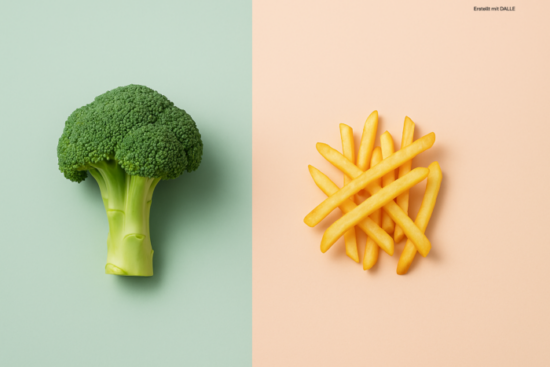
Chips or Broccoli? Why Your Body Judges Calories Differently
Chips or Broccoli? Why Your Body Judges Calories Differently
Calories indicate how much energy a food provides. But they say nothing about how our body uses this energy – or how it affects health, satiety and metabolism. What matters is not just how much we eat, but above all what we eat.
A calorie is not just a calorie – a comparison
Let’s take two examples:
- 100 kcal of chips: consist mainly of fat and rapidly digestible carbohydrates.
- 100 kcal of broccoli: contain plenty of Fiber, vitamins, secondary plant compounds – and hardly any usable energy.
On paper, both portions provide the same amount of energy. But the body reacts to them in completely different ways.
How the body processes calories
Not every calorie is absorbed or used in the same way. Three factors play a central role here:
- Thermic effect of food (TEF)
Our body needs energy to digest, process and store food.
👉 Protein and Fiber increase this effect – they „use up“ more calories during digestion than sugar or fat.
- Hormonal response
Foods influence the hormonal balance – especially insulin, which is responsible for the uptake of sugar into the cells.
- 👉 Rapidly digestible carbohydrates (e.g. from chips or white flour) cause blood sugar to rise and fall quickly – which often leads to cravings.
- 👉 Fiber-rich foods (such as broccoli or pulses) provide a more stable blood sugar level and longer-lasting satiety.
- Nutrient density instead of calorie density
High-calorie foods often contain few essential nutrients.
👉 Nutrient-dense foods, on the other hand, provide vitamins, minerals and bioactive plant compounds – often with considerably fewer calories.
Conclusion: quality beats quantity
Calories are a useful guide value – but on their own they are not enough to judge a healthy diet. What matters is the quality of the food.
A balanced diet with protein- and Fiber-rich foods is frequently discussed in connection with general well-being.
✅ Our tip for everyday life
Pay less attention to calories – and more to ingredients.
Ask yourself:
- Does this food give my body nutrients that it really needs?
- Does it keep me full in the long term – or does it only whet my appetite for a short while?
👉 Discover protein- and Fiber-rich foods that can be easily integrated into everyday life
Our products have been developed to provide you with high-quality nutrients, plant protein and soluble Fiber – entirely without unnecessary additives.
Legal notice: This article is for information purposes only and does not constitute medical or therapeutic advice. If you have health questions, please consult a professional.
You may also like
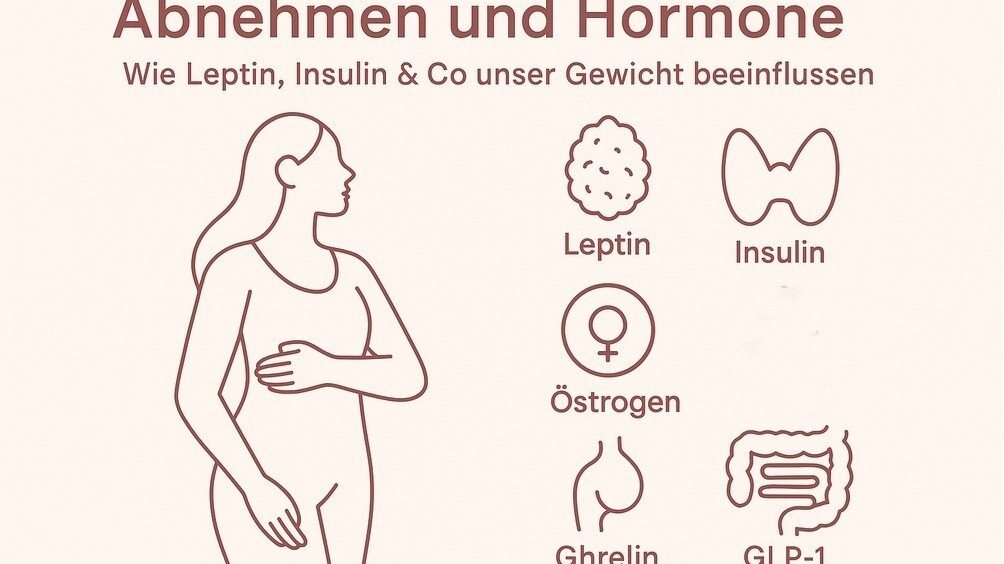
Hormones, Diet and Lifestyle: Current Perspectives from Research
Weight Loss and Hormones: How Leptin, Insulin & Co. Relate to Diet and Lifestyle Why…
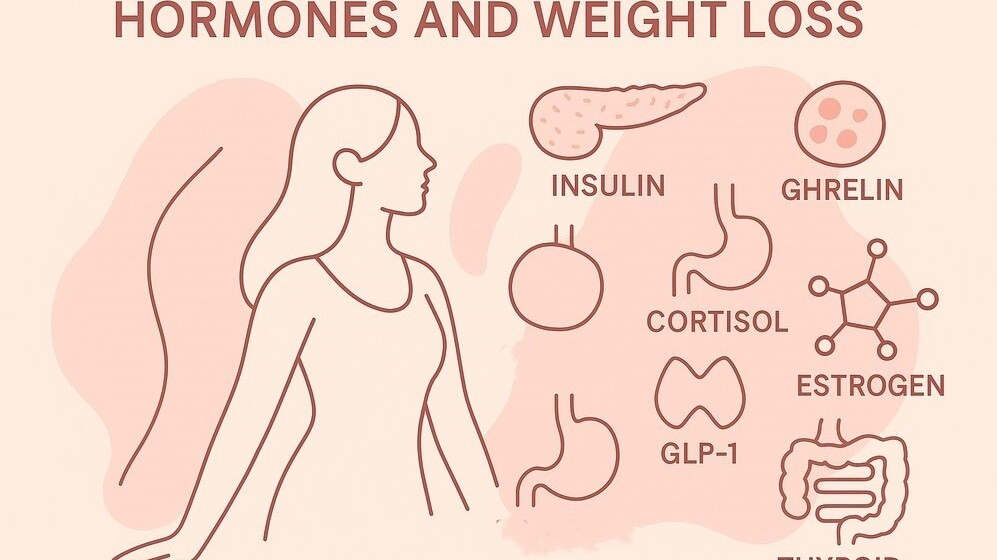
Weight Loss and Hormones: How Leptin, Insulin & Co. Influence Body Weight
“Why am I not losing weight – even though I eat healthily?” Many people ask themselves…
PMS & Nutrition: Current Perspectives from Research
PMS & Nutrition: Current Perspectives from Research Premenstrual syndrome (PMS)…